If you’ve ever grabbed a cold bottled juice, a warm jar of tomato sauce, or a can of sports drink from your pantry or a gas station shelf, you’ve interacted with a product that would not exist in its sealed, shelf-stable form without a hot filling pump. For the past decade, I’ve worked as a filling pump supplier, visiting factories in the U.S., Mexico, and Southeast Asia, troubleshooting machines at 2 a.m. during production runs, and listening to plant operators vent about ruined batches because their pump couldn’t handle the heat. A hot filling pump isn’t just another piece of equipment on a production line—it’s a specialized tool designed to solve a very specific, high-stakes problem: filling liquid and semi-liquid products while they’re still hot enough to kill harmful bacteria. Let’s break down what makes these pumps different, why they matter, and how we’ve refined our designs to make them work for producers of all sizes. Filling Pump
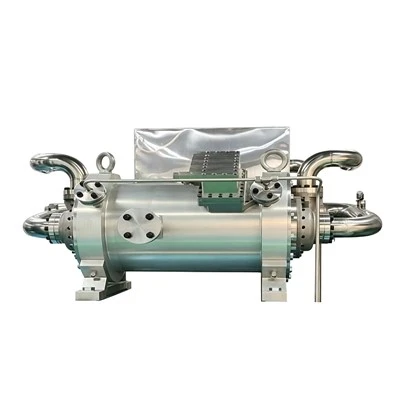
First, let’s get one key definition out of the way: hot filling (also called hot fill processing) is a food and beverage preservation method where products are heated to between 180°F and 205°F (82°C to 96°C) before being poured into rigid containers like bottles, jars, or cans. The hot liquid creates a steam vacuum when it cools, which seals the container and eliminates the need for preservatives. This method is widely used for fruit juices, tea, salsa, pasta sauce, jam, jelly, and even some sports drinks, because it preserves fresh flavors and colors that would be lost to refrigeration or chemical additives. But here’s the catch: standard pumps used for cold filling (like simple peristaltic pumps or basic centrifugal pumps) can’t handle these temperatures. Most plastics in pump seals and housings soften or deform above 140°F, and even metal parts can corrode when exposed to hot, acidic juices or high-salt sauces. A pump that works for cold soda will leak, break, or contaminate your hot fruit puree if you try to use it for hot fill. That’s where a hot filling pump comes in.
What sets a hot filling pump apart from a standard filling pump starts with the materials. At our facility, we don’t cut corners here. Our hot fill pumps use 316L stainless steel for all wetted parts—this is a medical-grade alloy that’s highly resistant to corrosion from hot, acidic or sugary liquids, and it meets FDA and EU food safety standards for direct contact with consumables. The seals are another critical component. We use chemically resistant, high-temperature elastomers like Viton or EPDM that can withstand 220°F for hours without degrading, cracking, or leaching into the product. I once had a customer in Georgia try to use a generic silicone seal on their hot jam line; within three days, the seals swelled, jam got into the pump’s drive mechanism, and they had to throw away 5,000 jars of product. That’s the kind of mistake we design our pumps to prevent.
But material alone isn’t enough. Hot fill processes operate at specific flow rates and pressures that are very different from cold filling. Cold filling often uses high-speed centrifugal pumps that push large volumes of liquid quickly, but hot fill requires a steady, consistent flow to avoid creating bubbles in the product. Bubbles in hot juice can cause the container to seal improperly, leading to spoilage or broken packaging. Our hot filling pumps are positive displacement pumps, specifically rotary lobe pumps—this means they move liquid by trapping it in cavities between rotating lobes, then pushing it out. Rotary lobe pumps deliver a fixed volume of product per rotation, so the flow rate stays consistent even if there’s a slight change in pressure from the filling line. This is perfect for hot fill, because it lets operators dial in exactly how much juice goes into each bottle, without overfilling or underfilling, and without introducing bubbles. We’ve tested other pump types for hot fill, like gear pumps, but they can shear fruit pulp or sauce chunks, ruining texture. Peristaltic pumps, which squeeze a rubber tube to move liquid, have a hard time maintaining consistent flow at high temperatures, because the tube degrades over time from the heat. Rotary lobe pumps strike the best balance for reliability, flow control, and product integrity.
Another key feature of our hot filling pumps is heat tracing and insulation. The hot liquid moving through the pump and piping doesn’t stay at a consistent temperature as it flows—heat escapes to the surrounding air, and if the liquid drops below 180°F mid-fill, it won’t kill all bacteria, breaking the hot fill process. That’s why we add integrated heat tracing lines along the pump housing and suction/discharge ports, and we wrap the pump in a thick, food-grade insulation jacket. This keeps the liquid at the exact required temperature from the processing tank all the way into the container. A customer in Minnesota told us early on that their old pump lost 10°F within three feet of the processing tank, so they had to reheat the product mid-fill, wasting energy and adding time to their production line. Our pump eliminated that problem immediately, cutting their energy use by 12% in the first month. We also design the pump’s internal components to be easy to clean and sanitize—hot fill lines need to be fully sanitized between runs to prevent cross-contamination, so our pumps have no hidden crevices where bacteria can grow, and they can be disassembled, cleaned, and put back together in 10 minutes without any special tools. That’s a big win for small-batch producers who don’t have a full-time maintenance team.
Now, let’s talk about the challenges that come with hot filling, and how our pumps address them. One common issue is cavitation, which happens when the pump creates low pressure at its inlet, causing tiny bubbles to form in the liquid. For cold products, these bubbles collapse without much damage, but for hot liquids, bubbles collapse with much more force, because they’re at a higher temperature and pressure. The force from collapsing bubbles can erode the pump’s internal lobes over time, leading to downtime and leaks. We solve this by sizing the pump correctly for the production line, and adding a variable speed drive that lets operators adjust the pump’s speed to match the flow rate of the processing tank. This keeps pressure consistent at the inlet, eliminating cavitation. We also add a strainer at the pump’s inlet to catch any large particles (like fruit seeds or sauce chunks) that could damage the lobes, which is especially important for producers who make chunky salsas or fruit purees.
Another challenge is pressure buildup. When you’re filling hot, viscous products like tomato sauce or jam, the pump has to push the liquid through the filling nozzle and into the container. If the pressure gets too high, it can cause the container to burst, or the pump’s seals to leak. Our hot filling pumps are designed with a pressure relief valve that automatically releases excess pressure if it gets too high, protecting both the pump and the packaging. We also customize the lobe design for each product—for example, we use wider lobes for thin liquids like apple juice, to move more volume, and narrower lobes for thick sauces, to apply more gentle pressure and avoid shearing the product. We don’t do a one-size-fits-all approach here; every producer has unique needs, and we work with them to adjust our pumps to fit their product, line speed, and container size.
Over the past five years, we’ve worked with more than 200 hot fill producers, from small craft jam makers in Vermont to large international juice brands. One of our favorite stories is a small juice company in North Carolina that was running on a manual filling line, with a hand pump that could only process 50 gallons of juice an hour. They were losing a lot of product to spills and seals leaking, and they couldn’t keep up with demand from local grocery stores. We worked with them to retrofit their line with a compact hot filling pump that runs automatically, can process 300 gallons an hour, and has a touchscreen that lets them adjust flow rate and temperature in seconds. They told us in their first month, they reduced product waste by 18%, and they were able to add three new retail accounts. That’s the kind of impact our work means to me, beyond just selling equipment.
But we also know that not every hot fill process is the same. Some producers are filling 1-gallon jars of pickles, some are filling 20-ounce bottles of iced tea, some are filling semi-solid products like cookie dough or pet food that uses hot fill methods to extend shelf life. We’ve designed our hot filling pump line to be flexible enough to adapt to all these needs. We offer mobile pump units for producers who are just starting out and don’t want to install a permanent line, as well as high-capacity industrial pumps for facilities that run 24 hours a day. All our pumps are compatible with existing processing tanks, filling nozzles, and control systems, so producers don’t have to replace their entire line to upgrade their filling pump.
I’ve seen firsthand what happens when a producer uses the wrong pump for hot fill. I was on a call with a customer in Mexico last year, who had a pump that was breaking every two weeks on their hot salsa line. They were working with a pump supplier that didn’t specialize in hot fill, so the pump used standard seals and plastic parts that couldn’t handle the hot, acidic salsa. When we looked at their setup, we realized the pump was also being run at a speed that caused cavitation, eroding the lobes within days. We recommended our rotary lobe hot filling pump, paired with a pressure regulator to control inlet pressure. Six months later, they emailed us to say they haven’t had a pump failure since, and their production line runs at full speed 98% of the time. That’s the difference between a generic pump and a pump designed specifically for hot fill applications.

Now, if you’re a producer considering upgrading your filling line, or you’re struggling with consistent fill rates, leaks, or product spoilage from improper hot filling, the right pump can make all the difference. At our company, we don’t just sell pumps—we work with you to assess your product, your line, and your production goals, and recommend a pump that fits your needs, budget, and timeline. We offer on-site testing for any producer that wants to see how our pump works with their specific product, and we provide 24/7 technical support, because we know downtime costs you money. If you’re tired of dealing with pump failures, waste, or inconsistent product quality from a generic filling pump, we’d be happy to talk through your needs and find a solution that works for you.
Turbo Expander References
- Food and Drug Administration. (2022). Kinetics of Microbial Inactivation for Alternative Food Processing Technologies: Hot Filling. U.S. Department of Health and Human Services.
- European Food Safety Authority. (2019). Food Safety Aspects of Hot Filling for Ready-to-Eat Foods. EFSA Journal, 17(8), 5642.
- Rotary Lobe Pump Technical Manual. (2021). Positive Displacement Pump Association.
- High-Temperature Elastomer Compatibility Guide. (2020). National Sanitation Foundation International.
- Food and Beverage Processing Equipment Maintenance Report. (2023). Food Processing Magazine, 45(3), 22-27.
Hangzhou Turbo Energy Technology Co., Ltd.
As one of the most professional filling pump manufacturers and suppliers in China, we’re featured by quality products and good price. Please rest assured to buy advanced filling pump made in China here from our factory. We also accept customized orders.
Address: C712, Block C, Westlake International Science and Technology Building, Huaxing Branch Road, Xihu District, Hangzhou, Zhejiang, China.
E-mail: sales@turboenergytech.com
WebSite: https://www.hangzhouturboenergy.com/
