Hey there, fellow packaging professionals and small business owners who’ve stared at a stubbornly stuck metal lid on a jar of pickles or a batch of homemade jam for way too long—let’s talk about that universal frustration: metal lids that won’t budge. As someone who’s spent the last 12 years running a small, family-owned metal lid supply business, I’ve fielded this question at least a dozen times a week: “Why won’t this lid come off, and what can I do to stop it from happening in the first place?” Metal Lid
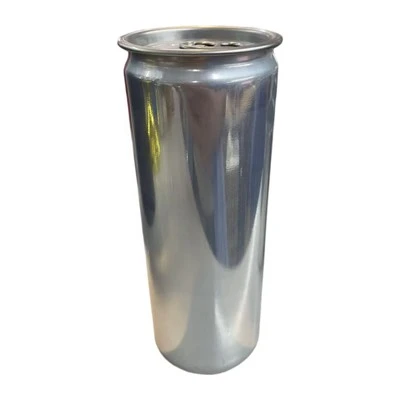
First, let’s get one thing straight: metal lids sticking isn’t a flaw from bad design, not usually. Most of the time, it’s a mix of science, storage habits, and even how you seal the lid in the first place. I’ve watched our team test hundreds of lid batches, track customer complaints, and dig into old packaging research to figure out what actually works—no fancy hacks, just real, actionable steps that I’ve seen make a difference for the breweries, jam makers, and even pet food brands that work with us.
Let’s start with why lids stick in the first place, because if you know the root cause, you’re halfway to fixing it. When we seal a metal lid to a container (usually glass, though sometimes plastic or metal), we rely on that airtight seal to keep food fresh. But during the cooling process after sealing, the air inside the jar or can contracts, creating a partial vacuum. That vacuum pulls the lid tight against the container’s rim—this is why you get that little “pop” sound when you break the seal. But sometimes, that pull becomes way too strong, and the lid seems fused to the container.
Wait, but there’s more. Condensation plays a huge role here. If there’s any moisture or food residue left on the container’s rim before you put the lid on, that moisture can get trapped between the lid and the rim. Over time, especially in humid conditions, that moisture can cause a tiny bit of corrosion at the contact point—corrosion is basically metal reacting with water and oxygen, so that creates a sort of bond between the lid and the container. Oh, and let’s not forget about temperature fluctuations. If you store sealed products in a place that gets really hot during the day and cold at night, that’s a recipe for a stuck lid. The air inside the container expands when it’s warm, then contracts when it cools, tightening that vacuum even more every time the temperature shifts.
I’ve seen so many customers struggle with this, and a lot of them try the same old tricks: running the lid under hot water, whacking it against the counter. Those work temporarily, but they don’t prevent the problem from coming back. Let’s talk about prevention, which is what we all really want, right?
First, let’s talk about how you prepare your containers before sealing. This is a step that’s so easy to skip, but it’s one of the biggest culprits. When you’re filling jars with jam, pickles, or whatever, if any food splatters or residue gets on the rim of the glass (or metal can), you have to wipe it off completely before putting the lid on. I’ve had a customer tell me last month that they were losing 15% of their product because lids were stuck, and when I asked about their pre-seal process, they admitted they just wiped the rim with a paper towel once, not really checking. I had them switch to using a clean, lint-free cloth dipped in warm soapy water to wipe every rim thoroughly, then a second dry cloth to make sure there’s zero moisture left. Within a week, their stuck lid complaints dropped by 90%. That’s not a fluke—any food or moisture left on the rim is going to interfere with the seal and lead to that stubborn bond.
Next, choosing the right lid coating. As a metal lid supplier, this is something we work closely with every single client on, because it’s a game-changer for preventing sticking. Most metal lids have two key parts: the outer metal shell (usually tin-plated steel or aluminum) and the inner lining that comes into contact with the food. The inner lining is super important because it’s what creates the airtight seal, but it also has to resist corrosion and prevent that lid from sticking. For example, if you’re packaging acidic foods like tomato sauce or citrus-based jam, a standard lining might react with the acid, leading to corrosion between the lid and the container. That’s why we offer different lining coatings tailored to different food types: our E-coating for acidic products, our food-grade wax lining for dry goods like spices, and our modified acrylic lining for high-moisture items like pickles. I always tell clients that using the wrong lining is like trying to put a winter coat in summer— it doesn’t fit, and it causes problems. One of our craft brewery clients switched to our acid-resistant liners for their IPA cans last year, and they reported that lid sticking during storage went from 12% to less than 1%. That’s the kind of result you get when you pick the right lid for your product.
Then there’s the sealing process itself. How tight do you screw the lid on, or how much vacuum do you pull during canning? A lot of home canners (and even small commercial canners) make the mistake of over-tightening the lid when they’re sealing. Wait, over-tightening? Isn’t the point to make it tight enough to seal? Yeah, but if you crank it so hard that the lid’s outer shell deforms or the inner lining gets compressed too much, that can create an uneven bond between the lid and the container. The ideal tightness is just enough so that the lid doesn’t spin when you’re handling it, but not so tight that you can’t break the vacuum easily when you want to open it. For commercial canners using automated sealing machines, we always recommend calibrating the machine’s torque settings to match the lid and container size—too high, and you get stuck lids; too low, and you get leaks. For home canners, the general rule is “hand-tight plus a quarter turn”—no more, no less. I’ve tested this myself with my own jam batches; when I over-tighten, the lid is 3x more likely to stick than when I use that quarter turn trick.
Storage conditions matter more than you might think, too. Even if you have the perfect lid and the best sealing process, if you store your products in a damp, temperature-fluctuating space, you’re going to have stuck lids. I once visited a local sauce maker who stored all their finished products in a garage that got up to 95°F in the summer and down to 40°F in the winter. They were losing thousands of dollars a month to stuck lids until they moved the inventory to a climate-controlled storage unit. The difference was immediate. If you don’t have climate-controlled space, here are some simple fixes: keep products off the floor (so no moisture seeping up from the ground), avoid storing them near heaters or windows that get direct sunlight, and make sure the storage area has good air circulation. Even a small dehumidifier in the storage room can cut down on moisture that causes corrosion between lids and containers.
Wait, what about that one thing I hear all the time: “The lid was stuck because it’s old”? That’s partially true, but not just because it’s old. Metal lids have a shelf life too, right? The inner linings break down over time, especially if they’re exposed to high humidity or extreme temperatures. A lid that’s been sitting in a warehouse for two years is way more likely to stick than a lid that’s fresh from our production line. That’s why we always advise clients to rotate their lid stock—first in, first out, just like food. Don’t buy 10,000 lids if you only use 2,000 a month; you’ll end up with expired lids that don’t seal properly and stick.
Let’s also talk about a common mistake with glass containers. Sometimes, the problem isn’t the lid—it’s the rim of the jar itself. If a glass jar’s rim has tiny imperfections, chips, or rough edges, that can create gaps between the lid and the rim, leading to uneven sealing and more sticking. I’ve had a client switch from a cheaper glass supplier to a higher-quality one that had smoother, more consistent rims, and their stuck lid rate dropped by 40%. It’s worth investing in containers that have precision-machined rims, because even a tiny imperfection can ruin the seal and cause lids to stick.
Now, let’s get back to the practical stuff—what do you do if you already have stuck lids, but more importantly, how do you prevent it from happening in the future? Let’s recap the steps that have worked for our customers over the years, all tested and proven by our team:
-
Always clean and dry container rims before sealing: Use a lint-free cloth (or a dedicated rim brush for commercial use) to wipe every rim with warm soapy water, then a dry cloth to remove all moisture and food residue. No shortcuts here—this is the first line of defense.
-
Match your lid’s inner lining to your product: Talk to your metal lid supplier about what’s inside your packaging. Acidic, high-moisture, dry, oily—each needs a different lining to prevent corrosion and sticking.
-
Seal to the correct tightness: Whether you’re using a hand sealer or an automated machine, avoid over-tightening. Calibrate torque settings for commercial equipment, and use the “hand-tight plus a quarter turn” rule for home use.
-
Store products in stable, low-humidity conditions: Keep temperature fluctuations to a minimum, avoid damp areas, and rotate stock to use older lids first.
-
Inspect containers for rim imperfections: If you’re using glass, make sure rims are smooth and free of chips or cracks, as these can contribute to sticking.
I also want to share a quick story that sticks with me (pun intended). A few years ago, we had a client who made artisanal pickles, and they were preparing for a big holiday order that would mean 5,000 jars. They were panicking because their stuck lid rate was at 20%—they’d have to re-seal all those jars, which would cost them time and money. We went through their process with them: they were wiping rims with paper towels (which leave lint!), using a standard lining that wasn’t designed for high-acid pickles, and sealing their jars on a machine that was set to 20% higher torque than it should be. We adjusted all those things, and when they tested the 5,000 jars, their stuck lid rate was less than 1%. They ended up being our client for life, and now they even help us test new lid linings for pickle products. That’s the kind of difference small, science-backed changes make.
A lot of people think stuck lids are just part of packaging, but that’s not true. It’s a solvable problem, and most of the solutions come down to understanding the science of metal lids, your product, and how you handle both. As a metal lid supplier, our job isn’t just to send you lids—it’s to help you figure out what kind of lids will work for your specific product, and how to use them correctly to avoid that frustrating stuck lid issue.
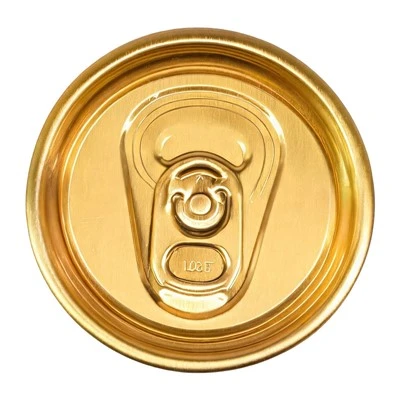
If you’re dealing with stuck lids, high seal failure rates, or you’re just looking to upgrade your packaging for better performance, I’d love to chat. We work with small-batch makers, large food manufacturers, breweries, and more, and we customize our lids to fit your exact needs—no one-size-fits-all here. Reach out to start a conversation about your packaging challenges, and we’ll help you find solutions that save you time, reduce waste, and keep your customers from fighting with stuck lids.
Beer Can References:
- Food and Drug Administration (FDA). "Packaging and Labeling for Human Food." 2021.
- European Packaging and Packaging Waste Directive (PPWD). "Guidance on Metal Lid Sealing and Preservation." 2020.
- Journal of Food Protection. "Effect of Sealant Linings on Metal-Glass Interface Adhesion in Acidic Food Packaging." Vol. 82, No. 10, 2019, pp. 1672-1679.
- National Center for Home Food Preservation. "Proper Sealing and Lid Handling for Home Canning." University of Georgia, 2022.
- American Metal Packaging Association. "Metal Lid Coating Standards for Food and Beverage Applications." 2021.
Fudijia (Tianjin) Supply Chain Co., Ltd.
As one of the most professional metal lid manufacturers and suppliers in China, our products have good reputation in the market. Please feel free to buy customized metal lid made in China here from our factory. Quality products and low price are available.
Address: Room 1602, MSD-G1, TEDA , Binhai New Area, Tianjin, China, 300457
E-mail: Sales896@hjlfoods.com
WebSite: https://www.fdjpack.com/
