If you’ve ever looked at a photo of a teacup holding a tiny house, a cat wearing a vintage top hat and balancing on a rainbow, or a forest where mushroom caps work as umbrellas for tiny fairies, you’ve likely stumbled on whimsical theme photography. As a supplier specializing in whimsical theme equipment, props, and creative direction for photographers and small studios, I spend a lot of time explaining what this style actually is—because it’s not just “cute photos” or a throwaway trend. It’s a blend of intentional storytelling, surrealist logic, and emotional resonance that turns ordinary moments into something memorable. Let’s break it down, from its core definition to how photographers can lean into it authentically. Whimsical Theme

First, let’s get one thing straight: whimsical theme photography isn’t chaos. It’s not just piling random bright colors or silly props into a frame and calling it done. The best whimsical work follows three key pillars that separate it from other styles, rooted in both art history and audience connection. The first is “intentional surrealism”—the kind where the impossible feels plausible, if only for a split second. Think about those old nursery rhymes you loved as a kid: Jack and Jill going up a hill, Humpty Dumpty sitting on a wall. Whimsical photography takes that kind of familiar, childhood imagery and twists it to feel personal. Instead of a generic Humpty, it might be a custom hand-painted egg prop with a photographer’s granddaughter’s favorite sticker, sitting on a wooden stool that looks like a tiny throne next to a basket of real wildflowers. That’s the magic: the surrealism is rooted in something someone actually cares about, not just a random prop find.
The second pillar is emotional accessibility. Whimsical photos don’t demand high-level art history knowledge to enjoy. They’re designed to make you smile, to tug at a small, warm part of your brain that remembers what it felt like to play make-believe. A lot of modern photography styles—like hyper-realistic street photography or conceptual fine art—often rely on the viewer bringing their own context to understand the message. Whimsical work meets you halfway. When you see a photo of a child holding a giant butterfly prop that’s actually their mom’s old silk scarf stretched over a wire frame, you don’t need a label to feel the joy, the nostalgia, the playfulness. That’s why it’s such a popular niche for family photographers, newborn shoots, and even brand content for kids’ clothing or toy companies. It bridges the gap between art and everyday joy.
The third pillar, which I’ve noticed from working with photographers for over seven years, is “gentle subversion.” Whimsy doesn’t have to be all rainbows and giggles. It can lean into the quiet, silly parts of being human that we don’t often show. For example, a whimsical photo of a teenager sitting on a giant stack of library books, wearing a pair of oversized reading glasses that slip down their nose, holding a tiny teddy bear like it’s a classmate. That’s subversion, too—taking a “serious” age (teenagers are often portrayed as moody or detached) and wrapping it in a make-believe world that lets them feel seen. It’s not just for kids; adults connect with whimsical work too, when it taps into that inner child we all have.
Now, where did whimsical theme photography come from? It’s not a new invention, even though it feels like it blew up on Instagram a few years ago. Its roots stretch back to 19th-century Romanticism, a movement that valued emotion, nature, and the beauty of the ordinary over rigid academic rules. Painters like Caspar David Friedrich did whimsical work in their own way, painting small wanderers in vast, misty forests, making the human feel both tiny and magical. Then, in the early 20th century, surrealist photographers like Man Ray and Claude Cahun started playing with scale, everyday objects, and playful distortion to create images that blurred the line between reality and fantasy. Cahun’s self-portraits, where they’d dress as different genders or turn everyday furniture into props, are a perfect example of early whimsical photography.
But the modern, accessible version we see today? It’s been shaped a lot by homegrown, independent photographers and small businesses. Back in the 2000s, before social media, family photographers started leaning into whimsy to stand out—instead of just taking posed shots of kids in front of a studio backdrop, they’d use homemade props, like a wooden tree branch hung from the ceiling to look like a forest, or a vintage teacup they’d thrifted for a newborn’s prop. That’s where I got my start, too: I was a photographer specializing in newborn shoots, and I kept getting asked by clients for something “different, not just a blanket and a backdrop.” So I started collecting props, building tiny sets, and soon friends and other photographers were asking to borrow my stuff. That’s how our whimsical theme supply business grew—we’re not just a retailer; we’re part of the community of creatives who keep this style alive and evolving.
One of the biggest misconceptions about whimsical theme photography is that you need a big budget to pull it off. Sure, you can get custom fairy wings or giant inflatable mushrooms, but some of the most stunning whimsical shots use everyday items you already have. A photographer I work with in Portland recently did a whimsical shoot with a single mom and her two kids, using old kitchen utensils as props: wooden spoons as magic wands, a mixing bowl as a helmet, a tablecloth as a cape. She set it all up in their backyard, no fancy studio space needed. That’s the beauty of the style: it’s about creativity, not cost. The props are just tools to help tell a story, not the story itself.
That said, there are a few common mistakes photographers make when first trying whimsical work. The first is overdoing it. It’s easy to cram every prop you have into a frame, like a cluttered toy box. A balanced whimsical shot has a clear focus: one main subject, one core prop that ties the scene together, and negative space to let the eye rest. For example, a shot of a cat in a tiny vintage birdcage prop works best when the background is a soft, neutral wall, not a busy pattern or pile of other props. The second mistake is ignoring the subject’s comfort. If you’re shooting a 5-year-old who hates wearing costumes, a frilly fairy dress isn’t going to make for a happy photo. Instead, lean into their favorite thing: if they love dinosaurs, make a whimsical scene with a tiny dinosaur wearing a top hat, or a volcano that’s actually a cookie. The subject’s joy is the heart of the photo, not the props. The third mistake is making it too generic. A lot of stock whimsical images look the same—fairies, unicorns, rainbows. The best work is personal, so add little touches that are unique to the subject: a child’s favorite stuffed animal, a grandma’s quilt as a backdrop, a memory from a family trip.
As someone who works with hundreds of photographers every year, I’ve seen how whimsical theme photography can transform a client experience. A few months ago, a couple came to me after their son’s newborn shoot fell through because the baby got sick. They were disappointed, but we worked with them to create a whimsical “teddy bear picnic” theme, using a tiny picnic basket, mini sandwiches made from real bread and fruit, and their 3-year-old daughter, who’d been asking for a picnic for weeks. The final photos weren’t just of the baby—they were of the whole family playing, laughing, and that little girl holding a tiny cookie like it’s a treasure. That’s the power of whimsy: it turns a “missed opportunity” into a memory they’ll keep forever.
Today, whimsical theme photography is evolving too. We’re seeing more inclusive takes: shots featuring disabled kids with custom accessible props, LGBTQ+ families with themes that reflect their own stories, and adult-only whimsical shoots for birthdays or anniversaries. It’s no longer just for kids’ photos, and that’s a good thing. The core idea still holds: bringing a bit of make-believe into everyday life, to celebrate the small, joyful moments.
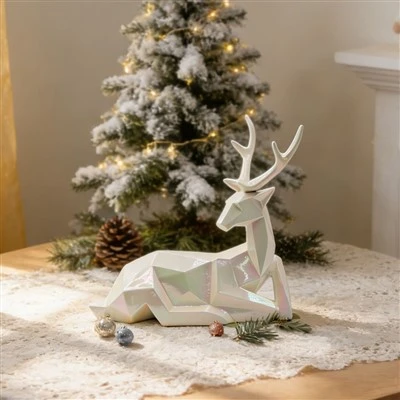
If you’re a photographer, a studio owner, or a brand looking to add whimsical theme work to your projects, don’t hesitate to reach out for custom prop sets, creative direction, or themed kit rentals. We work with creatives of all sizes, from independent family photographers to small commercial brands, and we’re here to help you bring your whimsical vision to life.
Christmas Collection References
- Lippard, Lucy R. The Lure of the Local: Senses of Place in a Multicentered Society. New Press, 1997.
- Camfield, William A. Surrealism and Photography. Museum of Fine Arts, Houston, 1979.
- Gombrich, E.H. The Story of Art. Phaidon Press, 1950.
- Schein, Ed. “The Rise of Whimsical Photography in Contemporary Family Portraiture.” Journal of Visual Culture, vol. 18, no. 2, 2019, pp. 187–203.
Huizhou Mingshengda Industrial Co., Ltd.
As one of the most experienced whimsical theme manufacturers and suppliers in China, we also support customized service. Please feel free to wholesale bulk high-end whimsical theme made in China here from our factory. Welcome to contact us for quotation.
Address: No.16, Jing’er Road, Huangxi Industrial Park, Shiwan Town, Boluo County, Huizhou City, Guangdong Province
E-mail: tintinyang@mingshengda.com
WebSite: https://www.hzmingshengda.com/
