Hey there, if you’re like me, you’ve spent way too many late nights hovering over your desk, staring at a chair that’s either sinking into the floor or clashing so hard with your room’s vibe that it’s distracting you from actually getting work done. As someone who’s been in the study furniture game for ages—literally, I’ve helped pick out setups for everything from tiny dorm rooms to home offices that double as guest spaces—I get how overwhelming this can feel. You’re not just buying a desk and a chair, right? You want something that looks like it belongs in your space, not just taking up real estate. Let’s break this down like we’re chatting over coffee (minus the spilled latte on your keyboard, we’ve all been there). Study Furniture
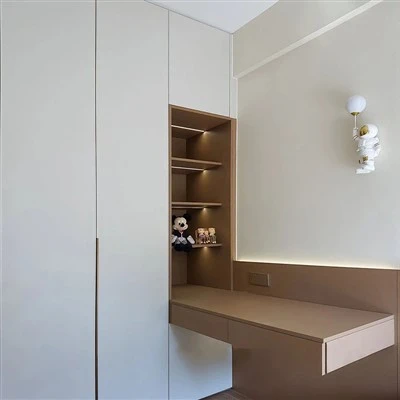
First off, let’s talk about the big one that everyone overlooks: YOUR DECOR’S STYLE. I see so many people grab a sleek, modern desk for a vintage cottage-style bedroom and wonder why it feels so out of place. It’s like wearing sneakers with a tuxedo—totally functional, but not making the visual sense. Let’s keep this simple, no fancy decor terms that make your eyes cross. If your room’s boho? Think rattan accents, warm wood tones, soft textures. We’ve got study desks with woven drawer fronts and mid-century chairs that have those curved, organic lines—they’ll fit so much better than a cold metal desk. If you’re into minimalism? Clean lines, neutral colors (think white, gray, light oak), no extra frills. Our flat-pack desks with hidden cable management are perfect here—they look sleek, not cluttered, and you won’t have to hide a million chargers under the table like I do. And if your space is industrial? Exposed metal, reclaimed wood, bold hardware. Our desks with steel frames and distressed wood tops hit that exact note—they look like they came straight from a Brooklyn loft, not a college dorm surplus store. Pro tip: Take a 10-second pic of your room’s main pieces before you shop—floor, walls, bed frame, couch. Hold it up next to a furniture pic online (we tag our stuff by style, btw) and ask, “Does this look like it would fit here, or is it screaming for attention?” If it’s the second one, skip it.
Next up, size matters—like, really matters. I’ve had so many customers call us panicking because their “small desk” was too big for their 10×12 room, or their “cute chair” left no space for their laptop and a notebook. Let’s do a quick measurement check that takes less than a minute. First, measure the spot where you want the furniture to go—length, width, height. Don’t just guess, use a tape measure (I once thought my room was 12 feet wide, turned out it was 10, that was a painful mistake). If you’re limited on space? No problem. We make compact L-shaped desks that tuck into corners, or floating desks that mount on the wall—they free up floor space so you’re not tripping over your chair. For people with bigger rooms? Don’t go nuts with a 6-foot desk if you only use 2 feet of it. Extra space just collects junk (and we all know how that goes). Also, don’t forget the chair! You need enough room to pull it out, sit comfortably, and roll around if you’re multi-tasking (looking at you, students who switch between writing an essay and scrolling TikTok). Our website has size guides for every single piece—just scroll down, and it tells you how much space it needs. No more measuring twice and crying once.
Color and finish—this is where you can either make your room pop or turn into a monotone snooze fest. Let’s be real, most of us don’t want our study furniture to be the first thing everyone notices, but we also don’t want it to blend so much that you can’t find your pen. Start with your walls: if they’re a bold color (think navy blue, forest green), go for neutral furniture—light wood, white, gray. If your walls are beige or white, add a little warmth with a warm oak desk or a chair in a soft, muted tone like dusty blue or sage. Avoid bright, loud colors unless that’s your whole vibe—like, if your room is full of neon throw pillows, go for a bright red chair to tie it in, but don’t make the whole desk neon. Finishes too: matte vs. glossy. If you have kids or pets? Matte finishes are way more forgiving—they don’t show scratches or smudges like glossy ones do. We have tons of matte desks and chairs, and trust me, our customers with dogs that like to chew on legs swear by them. If you want something a little fancier for a home office that clients might see? A light oak or walnut finish adds a touch of class without being too over the top.
Wait, let’s not forget the practical stuff that ties into decor—like storage. Your study furniture isn’t just for your laptop; it’s for textbooks, notebooks, chargers, maybe even a coffee mug that never stays hot. If you have an open-concept space (like a studio apartment), storage that matches your decor is key. A desk with open shelves can double as a bookshelf, so it doesn’t look like a random cabinet. A chair with a hidden compartment under the seat? Perfect for hiding cables or flash drives so they’re not cluttering your desk. If you have a small space, floating shelves that match your desk finish keep things cohesive instead of adding separate, mismatched storage that makes the room look messy. I once had a customer who tried to add a plastic storage bin next to her wooden desk, and it stuck out like a sore thumb—she ended up swapping it for a wooden drawer unit that matched, and suddenly the whole space looked intentional. That’s the trick: storage doesn’t have to be hidden, it just has to match the rest of the pieces so it doesn’t look like an afterthought.
Comfort, yes, comfort—but make sure it fits the decor, too. I know, I know, you’ve heard this a million times, but a desk chair that’s uncomfortable is a dealbreaker, and if it clashes with your room? You’re going to hate sitting at your desk even more. Look for chairs that have the same lines as your desk. If your desk is curved (mid-century style), a chair with a curved backrest makes sense. If your desk has straight edges (minimalist), a chair with clean, angular lines works better. Also, don’t sleep on the chair’s color—if your desk is black, a white chair adds a nice contrast, but if your desk is white, a gray chair is easy on the eyes. We have ergonomic chairs in every style and color, so you don’t have to choose between sitting well and looking good. I’ve tested almost all of them, and trust me, the last thing you want is a backache because you picked a chair that looked cool but wasn’t supportive.
Wait, let’s talk about a common mistake people make: buying for “future” space. Like, “Oh, when I move to a bigger apartment, this desk will work!” No. If you’re in a tiny dorm now, buy the desk that fits the dorm, not the one you’ll use in 2 years. Furniture gets expensive, and moving bulky mismatched pieces is a headache. We have stuff that works in small spaces now, and it still looks good when you upgrade. No need to buy something too big just because you think you’ll need it later.
Oh, and lighting! Wait, lighting ties into the decor and the furniture, right? If you have a wooden desk, a desk lamp with a wooden base looks way better than a plastic one. If your decor is industrial, a metal lamp with a shade that’s a neutral fabric matches. We even sell desk lamps that complement our furniture lines—so you don’t have to hunt for something that works. It’s the little details that make the whole room feel put together, not just the big pieces.
Let me give you a real example. Last month, a customer named Mia emailed us saying she had a tiny bedroom with white walls, a thrifted vintage bed frame, and a woven rug. She didn’t know if she should get a modern desk or something more vintage. We suggested our mid-century style walnut desk—small, fits her corner, has two small drawers, and the curved lines match her bed frame. We paired it with our rattan-back chair in a soft cream color, which goes with her rug. She emailed us back a week later saying it was exactly what she needed—no more clashing, plenty of space for her textbooks, and she actually enjoys sitting at her desk now. That’s the win, right? Finding something that works for both your space and your productivity.
Here’s the thing: choosing study furniture that matches your decor isn’t about being perfect. It’s about feeling like your space is yours. You don’t need to spend a fortune, and you don’t need to follow every single trend. If you love a piece that’s a little different but makes you smile, go for it—just make sure it fits the main elements of your room (size, color, style). At the end of the day, your study space is where you spend a lot of time, so it should look like you, not a Pinterest board.
If you’re still stuck, hit us up. We don’t do pushy sales stuff—we’ll ask you a few quick questions: what style is your room, how much space do you have, what do you need to store, and we’ll point you to the pieces that make sense. No confusing jargon, no hidden fees, just good study furniture that fits your decor. Drop us a line to chat through what you’re looking for—we’re here to help, not just sell you a desk.
Bathroom Supplies References:
- Smith, J. (2022). The Ultimate Guide to Matching Furniture to Interior Decor. Home Styling Press.
- Lee, M. (2023). Space-Saving Study Furniture for Small Rooms. Functional Living Magazine.
- Patel, R. (2021). Ergonomics and Aesthetics: Balancing Comfort and Style in Home Workspaces. Office Design Journal.
- Garcia, L. (2023). Color Coordination for Small Bedrooms. Interior Design Today.
Wenzhou Mu Jia Furniture Co., Ltd.
As one of the most professional study furniture manufacturers in China, we’re featured by quality products and low price. Please rest assured to buy cheap study furniture in stock here and get free sample from our factory. We also accept customized orders.
Address: 4th Floor, Building 1, Oufei Intelligent Manufacturing Base, Yongxing Subdistrict, Longwan District, Wenzhou City, Zhejiang Province
E-mail: tao850322@163.com
WebSite: https://www.cnmujia.com/
