Hey there! If you’ve ever shopped for furniture, cabinets, or even custom-built shelving, chances are you’ve come across melamine faced plywood—even if you didn’t know it by name. As a guy who’s been supplying this stuff for over a decade, I’ve heard so many questions from builders, designers, and DIYers alike: What even is it? Is it just a fancy piece of plywood? How’s it different from plain wood? Today, let’s break it down like we’re chatting over coffee, no confusing industry jargon (well, maybe a tiny bit, but I’ll explain it). Melamine Faced Plywood
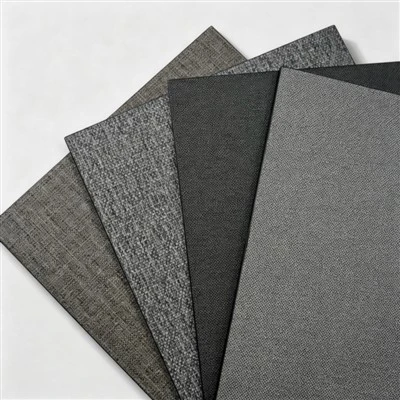
First, let’s start with the basics: plain plywood. You know, that stuff made of thin wood veneers glued together in alternating directions—cross-grained, so it doesn’t warp like solid wood. That’s the core here, but the magic is in the “melamine faced” part. Melamine is a super hard, thermosetting plastic resin that gets mixed with paper to make a thin, tough sheet. We soak that paper in melamine resin, press it dry, and then bond it directly to the top (and sometimes bottom) of the plywood core with high heat and pressure. No extra layers, no messy adhesives on the surface—just that seamless, durable face.
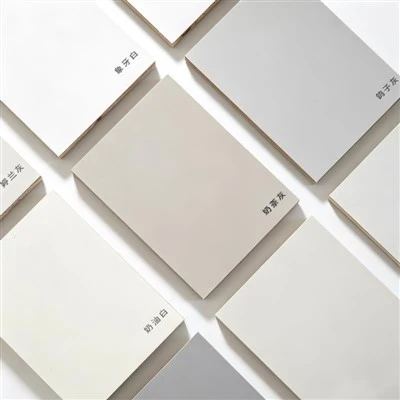
Wait, let me make that clearer. Think of it like putting a super tough, decorative sticker on plywood, but way more permanent. The heat and pressure fuse the melamine paper to the wood fibers, so it’s not going to peel off easily. And here’s the best part: you can get that melamine paper in literally any color or pattern you want. Solid whites, grays, that warm oak finish everyone loves, even faux marble or sleek modern blacks. We even do custom prints for clients who want something specific, like a company logo or a custom wood grain that matches their brand.
Now, why do people go for this instead of plain plywood or solid wood? Let’s talk durability first. Melamine is scratch-resistant, stain-resistant, and it’s pretty good against moisture—way better than raw plywood or even some solid woods. Raw plywood is porous, so if you spill coffee or water on it, it’ll soak right in and warp, or get stained. With melamine faced plywood, you can wipe up spills in 2 seconds with a damp cloth. Scratches? Small ones from a kid’s toy or a cabinet door slamming? They usually just buff right out—nothing like solid wood, where a single scratch means sanding and re-staining.
Cost is another big one. Solid wood is expensive, especially if you’re covering a large area like kitchen cabinets or a big bookshelf. Plain plywood is cheap, but you have to sand, prime, and paint or stain it yourself—that’s hours of work. Melamine faced plywood skips all that finishing work, so it saves you time and money. As a supplier, I see this all the time: a contractor will order a sheet of melamine faced plywood for cabinets because it cuts their install time in half, and the client doesn’t have to pay for extra finishing labor.
But wait, it’s not all perfect, right? I don’t sugarcoat things. The melamine face is hard, but it can chip if you drop something really heavy on a sharp edge—like a metal tool. That’s why when we cut the sheets, we use precision saws and sometimes add edge banding (thin plastic or wood strips) to cover the raw plywood edges. Those edges are porous, so if moisture gets in there, it can cause the core to swell. That’s a quick fix if you know what you’re doing—just seal the edges when you cut, but if you skip that, you might run into issues. Also, it’s not as easy to refinish as solid wood. If you get a deep scratch, you can’t sand it down and re-stain it like you can with oak. You’d have to replace the piece or cover it with a new melamine veneer, which is more work.
Now, let’s talk about where people actually use this stuff. Kitchen cabinets are the biggest one—everyone loves that wipeable surface. Bedroom furniture: dressers, nightstands, beds. Office desks and shelving—super durable for all that office gear. Even wall panels, built-in bookshelves for living rooms, and store fixtures like display cases. It’s versatile, which is why it’s been a staple in the woodworking industry for decades.
A lot of people ask me: is melamine faced plywood the same as MDF with melamine? Nope, that’s a common mix-up. MDF is medium-density fiberboard—made of wood fibers ground into a fine dust and glued together. Plywood is the layered wood veneer thing I mentioned earlier. So melamine on MDF is denser, but more prone to breaking if you hit a corner, while plywood is stronger and more stable. As a supplier, I always tell clients: if you need something structural, like a cabinet carcass or a large shelf, go with plywood. If you’re making small, non-load-bearing things like decorative boxes, MDF is fine. But for most projects, melamine faced plywood is the sweet spot.
Wait, let’s get into the manufacturing a little, just so you understand why it’s so consistent. When we make our melamine faced plywood, the process is controlled super carefully. First, we source high-quality plywood cores—usually from softwoods like pine or hardwoods like birch, depending on what the client needs. Birch cores are stronger and smoother, so they’re popular for furniture. Pine is cheaper, good for less structural projects. Then, the melamine paper is carefully aligned on the core, put into a hot press that’s like a giant hydraulic press—presses at like 300 degrees Fahrenheit and hundreds of tons of pressure for a few minutes. That’s what makes the resin bond so strong; it not just sticking on, it’s fused.
Because of that process, the surface is super uniform. No weird knots or unevenness, which is why it’s great for mass production. A cabinet maker can cut 100 identical panels from a single sheet, and they’ll all look the same. That consistency is huge for anyone doing bulk orders.
I’ve been in this game long enough to see trends come and go. A few years ago, matte finishes were all the rage, now it’s textured melamine—like that rough, reclaimed wood look that’s super popular for modern farmhouse style. We even do anti-fingerprint melamine for kitchens, so you don’t see smudges all over your cabinets. All these options mean it can fit any design, not just the basic white or oak.
Now, let’s address some common myths. First myth: melamine is toxic. Wait, old-school melamine products might have had some formaldehyde, but that’s mostly gone now. We use low-formaldehyde or formaldehyde-free resins in all our sheets now, especially for clients who care about indoor air quality, like people building nurseries or small offices. We test every batch to make sure it meets safety standards, so you don’t have to worry about off-gassing. Second myth: it’s cheap, so it’s low quality. Nah, there’s good melamine and bad melamine. Cheap stuff might use thin paper or low-grade resin that scratches easily. As a supplier, we only work with reputable manufacturers that use thick paper and strong resins, so our sheets last for years. You get what you pay for, but that doesn’t mean you have to overspend.
Another thing to consider: sheet sizes. Standard sheets are 4×8 feet, which is perfect for most projects, but we also have 5×10 feet for larger wall panels or commercial projects. Thickness ranges from 1/4 inch for small projects like craft boxes, up to 3/4 inch for heavy-duty cabinets. That range means you can find exactly what you need, no cutting down extra.
So, who should use melamine faced plywood? If you’re a DIYer building a bookshelf for your apartment, yeah, this is way easier than finishing plain plywood. If you’re a contractor outfitting 20 kitchens in a new development, it’s cost-effective and fast. If you’re a designer needing a custom look for a boutique store, the custom print options make it perfect. It’s not for every project—if you want a solid wood dining table that you can sand and refinish forever, go with solid wood. But for 90% of the furniture and built-ins people make, this is the way to go.
Now, if you’re in the market, how do you choose the right one? First, think about the project: is it structural? Go with a solid plywood core, not MDF. Second, check the edge quality—raw edges need to be sealed, so make sure the supplier offers edge banding if you need it. Third, consider the finish: do you need scratch resistance? Or a specific color? Ask for samples! Any good supplier will send you free samples so you can see the color and texture in person, not just on a screen.
I’ve been supplying melamine faced plywood for over 12 years, and the biggest thing I’ve learned is that people don’t always realize how useful this material is. It’s not just a “cheap plywood with a sticker”—it’s a versatile, durable, time-saving material that’s at the heart of most home and commercial woodworking projects.
If you’re planning a project—whether it’s a small bedroom upgrade, a full kitchen reno, or a commercial build—reach out to us to talk through what you need. We can help you pick the right core, thickness, and finish, answer any questions you have about edges, safety, or installation, and get you the right sheets for your project. No jargon, no pushy sales pitches—just straight talk from someone who’s been in the wood industry for years.
Melamine Faced Mdf References
- Forest Stewardship Council. (2022). Guide to Engineered Wood Products: Melamine Faced Plywood. FSC International.
- American Wood Council. (2021). Performance Characteristics of Decorative Wood Panels. AWCI.
- National Association of Home Builders. (2020). Cost-Effective Materials for Residential Carpentry Projects. NAHB.
- Wood Database. (2023). Melamine Resin Basics and Applications in Woodworking. The Wood Database.
Jiangshan Shunlong Wood Industry Co., Ltd.
As one of the most professional melamine faced plywood manufacturers and suppliers in China, our products have good reputation in the market. Please feel free to wholesale bulk melamine faced plywood in stock here and get quotation from our factory. We also accept customized orders.
Address: No.7 Jinfeng Road, Jintangshan Industrial Zone, Hecun Town, Jiangshan City, Quzhou City, Zhejiang Province
E-mail: 17858202655@163.com
WebSite: https://www.shunlongwood.com/
