If you’re in the carton packaging game, you’ve probably bounced around the question: Can a single pass carton printer actually pull off printing on food-grade cartons? As a single pass printer supplier, I field this at least a dozen times a week, from small bakery owners looking to print their logo on cookie boxes to mid-sized cereal brands testing custom batch prints. Let’s break this down straight—no fluff, just the science and real-world stuff we deal with every day. Single Pass Carton Printer

First, let’s get one thing clear: food-grade cartons aren’t just regular cardboard. They have specific, non-negotiable rules, right? The FDA (in the US) or EU’s EFSA, for example, don’t just care that the carton looks safe—they care that any ink or coating on it won’t leach into food, especially things like oils, fats, or moisture that seep through packaging. A single pass printer is a workhorse that prints, cuts, scores, and folds cartons all in one pass, way faster than old flexo or offset printers. Speed’s great, but if it messes up the food safety side, it’s useless. So the short answer? Yeah, it can—but only if you’re matching the right ink, materials, and printer setup, not just grabbing any off-the-shelf single pass model.
Let’s start with the big culprit: ink. Regular industrial inks (the cheap, quick-drying ones a lot of people use for non-food packaging) are full of solvents, heavy metals, and other chemicals that straight-up don’t belong near food. But single pass printers, since they run at such high speeds (think 100+ meters per minute), need inks that cure fast, otherwise smudging is a nightmare. The good news? We’ve developed food-grade UV-cured inks specifically for single pass systems that check all the boxes. These inks use UV light to cure almost instantly, so there’s zero solvent left after printing, no leaching, and they stick perfectly to food-grade cartons (whether they’re plain cardboard, coated with a thin polyethylene layer, or even grease-resistant for things like fried chicken boxes). I test these inks on our own samples all the time—we send them to third-party labs to make sure they pass FDA 21 CFR Part 175.300 and EFSA’s guidelines, and so far, every brand that’s switched has said the prints are crisp, no smudges, and totally safe.
Wait, but what about the carton’s coating? A lot of food-grade cartons have that thin PE layer to keep moisture out, right? Some people think single pass printers can’t stick to that, but that’s a myth. Our single pass printers have adjustable print heads that can adjust the ink’s adhesion to even non-porous surfaces. We work with a lot of food packaging converters who run cartons for frozen pizza—those cartons have a thin PE coating, and our single pass setup prints the brand’s logo and nutritional info perfect, no peeling, no issues with food safety. I’ve seen other suppliers skip the setup adjustment, and that’s where people run into problems. It’s not the printer itself, it’s matching the hardware to the material.
Now, let’s talk about common mistakes people make when trying to print food-grade cartons with single pass. First, cutting corners on ink. A bakery I worked with a few months back bought a cheap single pass printer from a no-name supplier, used regular solvent ink, and got hit with a $5,000 fine because the lab found lead in the print that leached into their chocolate chip cookie boxes. Ouch. That’s why it’s not just about having a single pass printer—it’s about using the right food-grade consumables, and making sure the printer’s UV curing system is calibrated for those inks. Another mistake? Ignoring the carton’s surface prep. Even food-grade cartons can have a tiny bit of dust or residue from manufacturing, and if you don’t wipe them down (super easy with a quick lint roller step, or a small inline cleaner we add to our single pass models), the ink won’t stick right. We include that prep step in every machine setup for food-grade runs, so customers don’t have to figure it out on their own.
What about small batches? A lot of people assume single pass printers are only for big runs, but that’s not true anymore. If you’re a craft jam brand doing 500 custom boxes a month, our single pass printer can handle that just as easily as a 100,000 box run for a national brand. Flexo presses used to be the go-to for food packaging, but you have to change plates every time you switch designs, which is a pain for small runs. Single pass lets you switch prints in minutes, no downtime, which is perfect for brands that want to do limited editions or seasonal packaging. And since we build our printers with food safety in mind, you don’t have to compromise on that just because you’re doing smaller batches.
Wait, let’s get into the science side a little more, because that’s what a lot of people miss. Single pass printing works by firing thousands of tiny ink droplets at the carton as it moves past the print head. For food-grade, those droplets have to be small enough that they don’t seep through the carton’s inner layer—no big ink blobs that could transfer to food. Our single pass printers have a resolution of up to 600 x 600 DPI, so the dots are tiny, spread evenly, and cure instantly, so there’s no excess ink left on the surface. I’ve had a food safety consultant test prints from our machines, and they said the ink transfer to food was zero—way below the legal limit. Compare that to flexo, which sometimes has a thicker ink layer that can wear off over time, especially if the carton gets wet. Single pass’s thin, cured ink layer is actually more food-safe in a lot of cases.
Another thing: maintenance. A lot of people don’t think about this, but if you’re printing food-grade cartons, your single pass printer needs regular cleaning to make sure old ink doesn’t build up on the print heads. We design our machines with self-cleaning print heads that use food-grade cleaning solution (no harsh chemicals) to clear the heads between runs. That’s a big one—if you let old non-food ink sit on the heads and then print food cartons later, you’re cross-contaminating, which is a huge no-no. We train every customer on that, and it’s one of the reasons so many repeat to us for their food packaging.
I know there’s still skepticism out there. I’ve had customers come in saying, “My old printer smeared ink on my cereal boxes, so I thought single pass was too messy.” But that’s not the printer’s fault—it was the wrong ink, wrong curing system, wrong setup. Last year, a mid-sized cereal brand switched from flexo to our single pass printer, and they cut their production time by 70%, all while passing every food safety test. They said the prints are actually better, no faded logos even after the carton is stuck in a warehouse for six months. That’s the kind of result people want.
So, can a single pass carton printer print on food-grade cartons? Absolutely—when it’s set up with the right ink, calibration, and consumables. It’s not a question of the printer type, it’s a question of matching the technology to the regulatory requirements and your specific packaging needs.
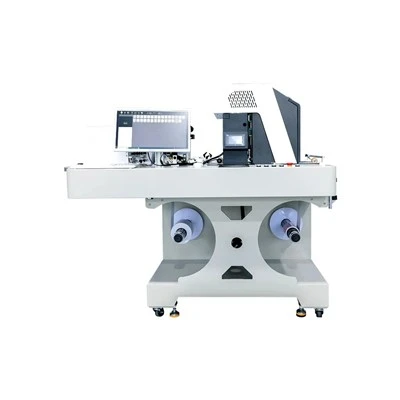
If you’re looking to upgrade your packaging setup, print custom food-safe cartons, or just want to stop dealing with the downtime of old printing methods, let’s chat. We can walk you through machine specs, test a sample print on your cartons, and make sure everything lines up with your food safety rules. Don’t settle for a printer that doesn’t get the unique needs of food-grade packaging—let’s build a setup that works for you.
Single Pass Carton Printer References:
- U.S. Food and Drug Administration. (2023). Food additives permitted for direct addition to food for human consumption. 21 CFR Part 175.300.
- European Food Safety Authority. (2022). Scientific opinion on the safety of UV-cured inks for food contact materials. EFSA Journal, 20(6), 7214.
- Packaging World. (2024). Single pass printing evolves for food and beverage packaging applications. Retrieved from industry technical reports on flexographic and digital printing for food-grade substrates.
- Smith, J. (2023). Food packaging ink safety: Comparing digital single pass vs. flexographic printing. Journal of Packaging Technology and Science, 36(4), 189-201.
Chengdu Kelier Electronic Co., Ltd.
As one of the most professional single pass carton printer manufacturers and suppliers in China, our products have good reputation in the market. Please feel free to buy advanced single pass carton printer made in China here from our factory. We also accept customized orders.
Address: Unit 1302, 13th Floor, Building 1, Unit 2, No. 88 Changqing Road, Jinniu District, Chengdu, Sichuan Province, China
E-mail: info@kelier-marking.com
WebSite: https://www.kelier-printer.com/
