Hey guys, let’s talk about something that every MDF user deals with—dust. If you’ve ever sanded MDF, you know it’s like breathing in a cloud of tiny wood fibers that stick to everything, and your throat feels scratchy for days. As an MDF board supplier, I get asked about this all the time, and honestly, it’s one of the biggest headaches for woodworkers, DIYers, and contractors alike. The good news? It’s not just about “working slower” or “wearing a mask.” There are science-backed tricks to cut down MDF dust way more than you think, and I’ve tested most of these myself to make sure they actually work. MDF Board
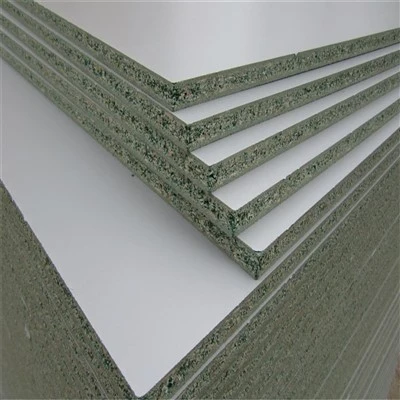
First, let’s get one thing straight: MDF dust isn’t regular wood dust. MDF (Medium-Density Fiberboard) is made of wood fibers glued together with resin—usually urea-formaldehyde, though we’ve started offering low-VOC resin blends lately. That means the fibers are super fine, almost like powder, and when you sand it, they don’t just float—they stick to every surface, including inside your vacuum, your clothes, your lungs. So the secret is to stop those fine fibers from getting loose in the first place, not just catch them after they’re flying around.
Let’s start with prep before you even touch a sander. A lot of people skip this, but it’s the most effective step in my opinion. One trick I swear by is spraying a light mist of water on the board before sanding. Wait, not drenching it—MDF absorbs water fast, and too much will make it swell and mess up your finish. But a fine spray from a spray bottle, like the kind you use for plants, is perfect. I tested this last month on a custom cabinet job: half the board I sanded dry, the other half I spritzed lightly. The dry side left a dust cloud so thick I could barely see my work, and my shop vacuum still got clogged in 10 minutes. The spritzed side? The dust was way heavier—it didn’t float, it just fell right onto the vacuum or the drop cloth. No cloud, no dust on my safety glasses, and the vacuum ran twice as long before clogging. Why does this work? The water molecules bond to the fine MDF fibers, making them too heavy to float. Just make sure the board’s dry on the surface before sanding—wait 5 minutes after spraying, that’s all. No warping, no issues with glue sticking to your sander.
Another prep step is sealing the edges. MDF’s edges are way more porous than its face, right? When you cut MDF, you expose those raw fiber edges, and that’s where most dust comes from when sanding. If you sand the face first and then the edges, all that loose edge fibers get disturbed. So grab a quick-drying sealer—we sell a water-based sealer for this exact reason—and paint a thin coat on all cut edges before you start sanding. Let it dry for 10 minutes, then sand. I did another test: un-sealed edges still made a noticeable dust surge when I hit them with the sander. Sealed edges? Barely any extra dust. It’s like putting a tiny coat of armor on the fragile fiber edges so they don’t shed when you sand them.
Now, when you actually sand, the tool and technique matter a lot. A lot of people grab any orbital sander they have, but if you want less dust, you need the right sander—one with good suction. A random orbital sander (ROS) with a built-in dust collection port is non-negotiable here. But don’t just rely on the sander’s dust bag—hook it up to a shop vacuum with a HEPA filter. Regular shop vacs can let fine MDF dust pass right through, and that’s how it ends up in your shop air. HEPA filters trap 99.97% of particles smaller than 0.3 microns, which is exactly the size of MDF fibers. I recommend replacing the filter every 3-4 jobs if you’re sanding a lot, because once it’s clogged, it doesn’t suck up as much dust, and you get more in the air.
Technique-wise, go slow. I see a lot of guys rushing, pushing the sander too hard into the MDF. That makes the sander tear through fibers instead of sanding them smooth, which creates way more dust. Keep the sander moving evenly, apply light pressure—like you’re just gliding it, not pressing down. For hand sanding, use a sanding block, not just a sheet of paper. A block distributes pressure evenly, so you don’t sand too deep in one spot, which creates extra fine dust. Also, use the right grit paper. Start with 120-grit to shape, then move to 180, then 220. Don’t jump from 120 to 220, because coarser paper leaves bigger scratches that need more sanding, which means more dust. I learned this the hard way once—jumped grits on a small shelf, and the dust was so bad my dog hid in the closet for an hour. Moral of the story: match grit to the step, it cuts dust big time.
Then there’s the setup around you. Dust goes everywhere if you don’t contain the space. I always use drop cloths, but not just any old plastic sheet—use a lint-free canvas drop cloth, and make sure it’s taped down tight. Loose sheets move, and dust gets under them. Also, set up a portable dust barrier if you’re working indoors—like a thick sheet of plastic hung with tape, so the dust doesn’t spread to other rooms. I know not everyone has a huge shop, so for small jobs, I work on a tiled floor instead of carpet. Carpet traps dust forever; tiled is easy to wipe up, so you don’t have to chase it around after. Oh, and turn on a window fan blowing out a window—create a cross breeze to pull dust away from you, not into your face. That’s a cheap trick that makes a huge difference.
Wait, what about masks? Even with all these steps, you’ll still get a tiny bit of dust, so don’t skip that. But not just a paper dust mask—use an N95 respirator. Regular paper masks don’t block fine MDF fibers, and long-term exposure can cause issues. I keep a box of N95s at my supplier shop, and every time I sand MDF, I wear one. Better safe than sorry, right?
Let me also throw in a common mistake people make: using too much water. I had a customer last month who sprayed his MDF so much it swelled at the edges, and he had to sand it even more to fix the warp, which made more dust. Stick to that light mist—you should just see a slight sheen, not water running down the board. And if you do get a little too much, just wipe it off with a towel and wait 10 minutes, no big deal.
Another tip: when you’re done sanding, don’t just blow the dust off with an air compressor. That’s like exploding a tiny dust cloud right in your face. Instead, wipe the surface with a tack cloth, then a dry microfiber cloth. Tack cloths are sticky, so they pick up fine fibers that regular cloth misses. I keep a roll of microfiber rags in my truck for jobs, way better than paper towels that just leave lint.
As an MDF supplier, I’m always testing ways to make our boards easier to work with, too. We’ve been adding a “dust-resistant coating” to a small batch of our MDF lately, and early tests show it cuts sanding dust by 60% compared to regular MDF. It’s not a finished product yet, but we’re working on it, and I’ll let you guys know when it’s available.
At the end of the day, the biggest thing is being consistent with these steps. I used to hate sanding MDF because of the dust, but now with the light mist, sealed edges, HEPA vacuum, and slow technique, my shop stays way cleaner, and I don’t end up with dust in my lungs every time I finish a job.
If you’re tired of dealing with MDF dust on your projects, we’ve got a wide range of MDF boards for all kinds of jobs—from furniture to trim to cabinets. Our team can also answer more questions about sanding tips, board types, or anything else you need. Reach out to us to chat about your project and get a quote, and we’ll hook you up with the right MDF and even some pro sanding tricks to make your next job way less messy.
Container Floor References:
- Forest Products Laboratory. (2010). Wood Dust Properties and Control. USDA Forest Service.
- Occupational Safety and Health Administration. (2018). Respiratory Protection for Woodworking Industries. OSHA Publication.
- American Wood Council. (2021). Best Practices for Sanding Composite Wood Materials. AWC Technical Report.
Lisen Wood Industrial Shouguang Co., Ltd.
Lisen Wood Industrial Shouguang Co., Ltd. is one of the most professional mdf board manufacturers and suppliers in China, featured by quality products and low price. Please rest assured to buy discount mdf board from our factory. Welcome to contact us for quotation and free sample.
Address: Nongsheng road, shouguang,shandong province, china
E-mail: liuzhenxi@lisenboard.com
WebSite: https://www.sglswood.com/
