If you’ve ever walked past a bakery and caught that warm, buttery scent of fresh croissants, or splashed a bit of lavender hand cream on your wrist before heading out, you’ve come into contact with esters—versatile chemical compounds that are the backbone of so many everyday products. As someone who’s spent the last decade supplying high-quality esters to manufacturers across food, cosmetics, pharmaceuticals, and industrial sectors, I get asked this question all the time: What are the chemical reactions that make esters so useful? It’s not just a theoretical question for me; it’s the foundation of every order I fulfill, every technical consultation I lead, and every conversation I have with a customer who’s trying to nail down the right compound for their next project. Let’s break down these reactions, why they matter, and how they shape the products you use every day. Esters
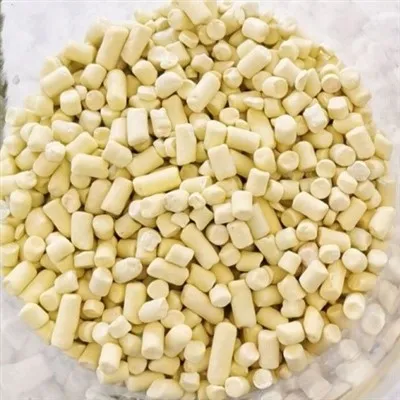
First, let’s start with the basics for anyone who might be new to this: esters are organic compounds formed when an alcohol reacts with a carboxylic acid, with a molecule of water splitting off in the process. That core structure—an acid group bonded to an alkoxy group (R-COO-R’)—is what makes esters reactive in such predictable, useful ways. The five key reactions I’m going to cover aren’t just textbook concepts; they’re the reason our clients come back to us time and again for consistent, reliable ester supplies. Let’s dive into each one, starting with the reaction that creates esters in the first place, because that’s the most foundational.
1. Esterification: The Reaction That Creates Esters
If you’re an ester supplier, this is the reaction that pays the bills. Esterification is the process of forming esters from a carboxylic acid and an alcohol, and it’s a reversible reaction, which means we have to balance conditions to drive it toward the product side. The most common version is Fischer esterification, which uses a strong acid catalyst—like sulfuric acid or p-toluenesulfonic acid—and heat to speed things up. For example, when ethanol reacts with acetic acid (vinegar), you get ethyl acetate, that sweet, fruity solvent used in nail polish remover and paint thinners.
Here’s the thing that every customer needs to know: not all esterification is the same. If you’re making a food-grade ester for flavoring a soda, you need a process that eliminates residual acid or catalyst so it’s safe for consumption. If you’re making an industrial ester for a lubricant, you can prioritize purity for performance over strict food safety standards. That’s why our team works closely with clients to source the right raw materials and tweak reaction conditions—like temperature, pressure, and reactant ratios—to get exactly what they need. Last year, we helped a craft brewery scale up production of their signature raspberry flavoring, which is a mix of ethyl butyrate, isoamyl acetate, and other fruity esters. We adjusted the esterification process to reduce byproducts, so their flavor profile stayed consistent batch after batch, and they could keep up with demand without sacrificing quality. That’s the value we bring beyond just supplying esters; we understand the reaction behind making them.
2. Hydrolysis: Breaking Esters Back Down
If esterification is building esters, hydrolysis is tearing them apart—and it’s just as important. Hydrolysis is the reaction where esters react with water to form the original carboxylic acid and alcohol, and again, it’s reversible. The key difference is whether it’s acid-catalyzed or base-catalyzed. Acid-catalyzed hydrolysis is basically the reverse of Fischer esterification: add a strong acid and water, and you split the ester back into its components. But base-catalyzed hydrolysis—also called saponification—goes one step further, because it uses a base like sodium hydroxide, and once the acid is formed, it reacts with the base to make a salt. That makes saponification irreversible, which is why it’s used to make soap. If you’ve ever watched lye react with fat (which is a triglyceride, a type of ester) to make bar soap, you’ve seen this reaction in action.
For our customers, hydrolysis isn’t just about soap. In the pharmaceutical industry, for example, some drugs are formulated as esters to improve their absorption in the body, and then they undergo hydrolysis in the bloodstream to release the active ingredient. We recently worked with a biotech company developing a new pain medication that uses a propylene glycol ester to extend its release time. We had to make sure the ester would hydrolyze at a consistent rate in the body—too fast, and the medication wears off too soon; too slow, and it’s ineffective. Our team tested different ester formulations to adjust the hydrolysis rate, and the product is now in clinical trials. That’s how a deep understanding of ester reactions turns a chemical into a life-saving product. For industrial clients, hydrolysis is also key for waste management: some ester-based coatings can be broken down with mild hydrolysis to reduce environmental impact, and we supply esters that are designed to be biodegradable because of this reaction pathway.
3. Transesterification: Swapping Components for New Uses
Transesterification is like a chemical swap meet for esters. It’s the reaction where an ester reacts with an alcohol (or another ester) to form a new ester and a different alcohol (or ester). This reaction is widely used in biodiesel production, where vegetable oil or animal fat—both made of triglycerides, which are esters—react with methanol to form methyl esters, which are the main component of biodiesel, and glycerol as a byproduct. But transesterification isn’t just for fuel. In the cosmetics industry, we use it to create esters with specific textures and properties. For example, we supply isopropyl myristate, a common ingredient in lotions and creams, which is made by transesterifying myristic acid (from palm oil) with isopropyl alcohol. This ester is lightweight, spreads easily on skin, and doesn’t leave a greasy residue—all because the transesterification process lets us tailor the structure to get that perfect feel.
One of our biggest clients is a major skincare brand that wanted to replace mineral oil in their products with plant-based esters. They came to us because we have the expertise to run transesterification processes that use only sustainable, non-GMO raw materials, and we could adjust the chain length of the ester to match the texture they were looking for. The result was a line of moisturizers that are now sold globally, and they credit our transesterification services for helping them hit their 100% sustainable ingredient goal. The key here is that transesterification gives us flexibility: instead of starting from scratch with every ester, we can modify existing compounds to create exactly what our customers need, without wasting raw materials. That’s efficiency, which is something both our clients and our planet appreciate.
4. Esterification with Acid Anhydrides or Acid Chlorides: Faster, More Specific Reactions
While Fischer esterification is great for many applications, sometimes you need a more efficient reaction—especially when working with sensitive compounds that can’t handle the high heat or strong acid of Fischer processes. That’s where esterification with acid anhydrides or acid chlorides comes in. These reactions don’t produce water as a byproduct; they produce a small molecule like a carboxylic acid or hydrogen chloride, and they happen at lower temperatures, with no need for a strong acid catalyst. For example, acetyl chloride reacting with ethanol gives ethyl acetate and hydrogen chloride, and this reaction is almost instantaneous at room temperature.
This is a game-changer for industries that work with delicate materials. In the pharmaceutical industry, many active pharmaceutical ingredients (APIs) are complex organic molecules that would break down in the high heat of Fischer esterification. So instead, we supply custom esters made via acid chloride or anhydride esterification, which lets us attach the desired ester group without damaging the API. Last year, we helped a pharmaceutical company develop a new anti-fungal cream that uses an ester group attached to a sensitive antibiotic. We used acetic anhydride in the esterification process, which kept the antibiotic stable and preserved its effectiveness. The cream is now on the market, and our customer told us that without our expertise in this specific ester reaction, they would have had to delay their launch by at least a year. For the food industry, too, these reactions are useful for making flavor esters that are heat-sensitive, like those used in frozen foods, because they can be produced without high temperatures that would alter the flavor.
5. Condensation Polymerization: Making Esters Into Large, Useful Polymers
The last key reaction I want to cover is condensation polymerization, which is how we make some of the most common plastics in the world: polyesters. Think of PET, the plastic water bottles and food containers that everyone uses—PET is short for polyethylene terephthalate, a polymer made by reacting ethylene glycol (an alcohol) with terephthalic acid (a carboxylic acid) in a condensation polymerization reaction. Each reaction between the monomer units splits off a water molecule, and over time, long chains of ester-linked monomers form, creating a solid, durable plastic.
For our industrial clients, supplying the monomers used in this polymerization is a big part of what we do. We work closely with plastic manufacturers to make sure their polyester monomers have exactly the right purity and chain length, because even a small impurity can ruin the final plastic’s strength or flexibility. We also supply specialty polyesters for things like clothing fibers (polyester fabric is one of the most popular in the world), automotive parts, and even medical devices, where biocompatible polyesters are used for stitches that dissolve over time. The ability to turn simple ester molecules into large, versatile polymers is what makes esters so critical to modern life. It’s also a reminder that every ester reaction, no matter how small, has a ripple effect on products people use every day, from their water bottles to their t-shirts.
Now, I want to talk a little about why this matters beyond just chemistry textbooks. As an ester supplier, my job isn’t just to send a package of chemicals to a customer—it’s to understand their specific needs and help them use ester reactions to solve their problems. I’ve worked with small startups looking to make a new natural flavor for hard seltzers, and with Fortune 500 companies developing new sustainable packaging. Every conversation starts with the same question: What are you trying to create, and what do you need the ester to do? That question leads us to pick the right ester, the right reaction, and the right process to deliver a product that works for them.
But there’s a bigger picture here, too. The global demand for sustainable products is growing every day, and esters are at the center of that shift. Many of our customers are moving away from petroleum-based chemicals and toward plant-based, biodegradable esters, and that means we have to adapt our reaction processes to use renewable raw materials. For example, we now source most of our fatty acids from sustainable palm and coconut oil, and we adjust our esterification and transesterification processes to work with these plant-based raw materials, reducing the carbon footprint of the final product. We also supply esters that are used in biodegradable plastics, which break down in the environment instead of sitting in landfills for hundreds of years. That’s not just good for business; it’s something I’m proud to be part of.
If you’re reading this, chances are you’re a manufacturer, a product developer, or someone who’s just curious about how the things you use are made. Whether you’re working in food, cosmetics, pharmaceuticals, or industrial materials, choosing the right ester and understanding the reactions that shape it is critical to getting a product that’s safe, effective, and affordable. For us, it’s not just about selling esters—it’s about partnering with you to find the right solution. If you’re working on a project that involves esters, whether you need raw materials, technical support, or help optimizing a reaction, we’re here to chat. We can walk you through the different reaction pathways, help you choose the right ester for your needs, and make sure you get a product that meets your exact specifications.
Esters References:
- Morrison, R. T., & Boyd, R. N. (1992). Organic Chemistry (6th ed.). Prentice-Hall.
- Smith, M. B., & March, J. (2007). March’s Advanced Organic Chemistry: Reactions, Mechanisms, and Structure (6th ed.). Wiley.
- Pavia, D. L., Lampman, G. M., Kriz, G. S., & Vyvyan, J. A. (2020). Introduction to Organic Laboratory Techniques: A Small Scale Approach (4th ed.). Cengage Learning.
- Knothe, G., & Krahl, J. (Eds.). (2015). Biodiesel: Chemistry and Technology (2nd ed.). AOCS Press.
- Lodish, H., Berk, A., Zipursky, S. L., Matsudaira, P., Baltimore, D., & Darnell, J. E. (2000). Molecular Cell Biology (4th ed.). W. H. Freeman.
Bitop Bihope Qingdao Mining Co., Ltd
Bitop Bihope Qingdao Mining Co., Ltd. is one of the most professional esters manufacturers and suppliers in China, featured by quality products and low price. Please rest assured to buy discount esters in stock here and get quotation from our factory. Customized orders are welcome.
Address: Room 410, 4th Floor, Shengquan Business Building, No. 263 Yitong Road, Huangdao District, Qingdao City, Shandong Province, China
E-mail: btbhmining@163.com
WebSite: https://www.btbhmining.com/
