If you’ve ever shopped for industrial valves, you’ve probably stared at that big, round globe valve sitting on a shelf and wondered: why does anyone even care about the structure type? I get it—when you’re busy juggling production deadlines, chasing down parts, and trying not to panic when a line goes down, valve structure feels like a “wait, just give me something that works” problem. But here’s the thing: picking the wrong globe valve structure doesn’t just make you work harder—it can cost you thousands in downtime, wasted product, or even safety scares. After 12 years selling globe valves by structure type (yeah, I’ve seen every mess you can imagine), I’m here to break this down like I’m explaining it to a guy who just got stuck troubleshooting a pressure leak at 2 a.m. No stuffy jargon, no AI nonsense, just real-world reasons why structure type matters. Globe Valve By Structure Type
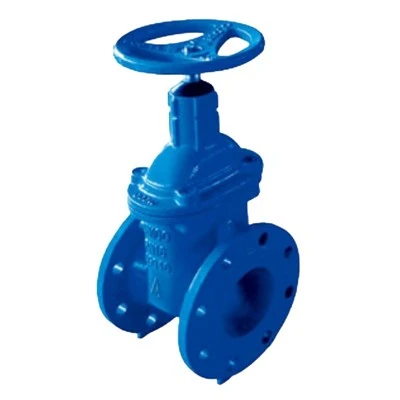
First, let’s get one thing straight: globe valves aren’t all the same. The “globe” part refers to that rounded body shape, right? But inside, how the parts fit together—how the plug connects to the stem, how the seat is machined, whether it’s split or solid—changes everything. I’ve had a customer text me at 10 p.m. last month saying his old valve was leaking so bad he had to shut down his food processing line for 8 hours. Turned out he’d grabbed a weld-in globe valve meant for high-temperature steam and tried to use it on a cold, low-pressure water line where a threaded or flanged pattern would’ve been way easier to adjust. That’s the kind of mistake structure type fixes—before you make it.
Let’s start with the big one: pressure and temperature requirements. This is where 90% of my customers overcomplicate things, or skip checking entirely. Let’s say you’re dealing with a 1,000 PSI steam line at 550°F—like a power plant or a chemical facility. You can’t just slap any old globe valve there. The forged globe valve structure is made from a single piece of metal (usually stainless steel or alloy) instead of being welded or bolted together. Why does that matter? Forged structures are way stronger under extreme pressure and heat. I had a refinery client a couple years back that used a cast globe valve on their crude oil transfer line—cast valves have little tiny micro-cracks in the body from the pouring process. At 800 PSI, those cracks opened up, and they lost 20 barrels of crude before they caught it. Forged globe valves? They handle that kind of stress like it’s nothing. Now, if your line is low-pressure, like a residential water system or a small chemical mixing line at 100 PSI and 200°F? Forged is overkill—way more expensive, harder to install if you don’t have heavy equipment. That’s where cast globe structures come in. They’re cheaper, work fine for mild conditions, and I stock more of these for small manufacturers than anything else. I always tell people: match the structure’s pressure rating to your operating conditions, not the other way around.
Next up, flow control needs. This is a game-changer that no one talks about enough. Globe valves are famous for good flow regulation, but some structures are way better at it than others. Let’s split this into two main flow scenarios: precise, consistent control vs. on/off, no-frills operation. If you’re making something that needs exact ingredient ratios—like a pharmaceutical lab mixing batches, or a beverage plant dispensing syrup—you need a globe valve with a balanced plug structure. Wait, what’s a balanced plug? Oh right, it’s a plug that has holes drilled in it to equalize pressure on both sides of the plug. Regular (unbalanced) plugs have all the pressure pushing down on the stem when you open the valve, so you have to crank way harder to adjust it, and you can get inconsistent flow. I’ve seen a soft drink plant waste $5k in syrup because their unbalanced plug valve would either dump too much (making the soda too sweet) or too little (forcing them to dump a whole batch). Switched them to balanced plug globe valves, and their flow control error dropped to less than 1%—they haven’t had a batch reject in 18 months. Now, if you just need a valve that opens all the way or closes tight, no adjusting, like on a waste line or a fire suppression system? A conventional plug structure is fine. It’s simpler, cheaper, gets the job done without all the fancy balance stuff. I tell people: if you’re using the valve to “fine-tune” flow, go balanced. If you just need on/off, keep it conventional. That’s how you pick, no PhD required.
Then there’s installation and maintenance ease. This is the part that saves you time and money, not just upfront. Let’s talk about end connections first, which are a big part of the structure type. Flanged globe valves vs. threaded vs. weld-in. Flanged is the most common for industrial lines—they bolt onto pipes with gaskets, so if you need to replace the valve, you just unbolt four nuts and swap it out. No hot work, no cutting pipes. I had a small woodworking plant that uses flanged globe valves on their compressed air lines. Last year, one started leaking, and their maintenance guy swapped it in 20 minutes. If it had been weld-in? They would’ve had to call a welder, shut down the line for 4 hours, and pay twice as much. Threaded is for smaller lines, like 1-inch or less. They screw onto the pipe, so installation is easier, but they’re not good for high vibration lines—they can work loose. Weld-in is for the toughest lines, like high-pressure steam, but it’s a pain to replace. You have to cut the pipe, weld a new valve, pressure test it. I only recommend weld-in if you’re dealing with extreme conditions where flanged or threaded would fail. When it comes to maintenance, another structure thing matters: whether the valve has a bolted bonnet or a welded bonnet. Bolted bonnet is where the top of the valve is held on by bolts, so you can take it apart to replace the seat or the plug without pulling the whole valve out of the line. Welded bonnet is welded shut, so you have to cut the valve out to fix it. I can’t tell you how many times a food manufacturer has called me panicking because their valve’s seat wore out, and they had to take the whole line apart because they had a welded bonnet. Bolted bonnet is non-negotiable if you need to do any kind of routine maintenance. Welded is fine for throwaway valves in lines you never touch, but 9 times out of 10, bolted is the way to go.
Oh, and let’s not forget about media compatibility—what’s flowing through your line. Some globe valve structures hold up better to corrosive or abrasive stuff. Let’s say you’re moving something like slurry—think mining ore, or wastewater with sand particles. A regular plug structure can get scratched up by the abrasive particles, making the seat leak over time. What works better? A multi-port or a guided plug structure. Wait, guided plug has a little sleeve on the plug that keeps it centered in the seat, so abrasive particles can’t get wedged between the plug and seat. I had a mining client that was using a regular globe valve on their coal slurry line, and every 3 months they’d have to replace the seat. Switched to guided plug, and seats last 2 years now. That’s a huge cost save. Now, if you’re moving corrosive stuff, like acid or caustic soda, you need to check the material of the valve body and the internal parts, but the structure plays a part too. A full-port globe valve? Wait, no, full-port is more about flow, but a pressure-sealed bonnet structure is better for corrosive media because it keeps the process fluid from leaking out between the bonnet and the body. Regular bolted bonnet can have small gaps, so corrosive fumes can get in and eat away at the bolts, leading to bonnet failure. Pressure-sealed bonnet uses line pressure to push the bonnet tight against the body, so no gaps. Perfect for chemical processing plants that deal with toxic stuff. I always say: if your media is abrasive or corrosive, skip the standard structure and go for one with guided parts or pressure-sealed bonnet. You’ll thank me later.
Wait, let’s bust a common myth here. A lot of people think globe valves are just for steam or liquid, but no—structure type can make them work for gas too. If you’re working with natural gas or compressed gas, you need a globe valve with a low-leakage structure. Welded bonnet or pressure-sealed bonnet structures have way lower fugitive emissions than bolted bonnet ones. OSHA and EPA have strict rules about gas leaks now, so if you’re in an industry that handles gas, picking the right structure isn’t just about equipment—it’s about compliance. I had a HVAC contractor client a while back that got a fine for a gas leak from a bolted bonnet valve. Switched to pressure-sealed, and now they pass all inspections with no issues. That’s another hidden reason structure matters: not just for your equipment, but for avoiding regulatory headaches.
Let me wrap this up with a quick real example to make it concrete. Last quarter, I had two customers with similar needs: 2-inch line moving 300 PSI water at 180°F. Customer A was a small bakery needing to fill mixing tanks with water. They tried a cast globe valve, conventional plug, threaded end. It worked for a week, then they started getting inconsistent flow—turns out, their line had a little pressure fluctuation, and the unbalanced plug made it hard to adjust. They swapped to a cast globe, balanced plug, flanged end, and it’s been perfect 6 months. Customer B was a food processing plant needing to shut off water to a pasteurizer line quickly, no fine tuning. They went with a forged globe, conventional plug, weld-in end. It’s holding up great, no issues, and cost them less than adjusting to a balanced plug (since they didn’t need it). See? Same basic globe valve, different structure types, both worked because they matched their actual needs.
At the end of the day, picking the right globe valve structure isn’t about guessing or picking the cheapest option. It’s about asking four simple questions: What pressure and temp is my line running at? Do I need to fine-tune flow or just on/off? Will I need to maintain this valve often? What’s flowing through here (abrasive, corrosive, regular)? Skip the fancy jargon, skip the overkill forged valves for low-pressure jobs, skip the flimsy cast valves for high-stress jobs. I’ve sold globe valves by structure type long enough to know that the best choice is the one that fits your specific situation, not what a website says is “best overall.”

If you’re stuck figuring out which structure is right for your line—whether you’re dealing with a leak that’s costing you money, a flow problem that’s messing up your product, or just want to make sure you don’t get stuck with a valve that fails when you need it most—reach out. No sales pitch, no pushy nonsense, just me helping you pick what works for your operation. Don’t wait until 2 a.m. with a line shut down to realize you got the wrong valve. Let’s get this sorted.
Globe Valve References
Valve Industry Alliance. (2021). Industrial Globe Valve Structure and Application Guidelines.
American Society of Mechanical Engineers (ASME). (2022). B16.34 Standard for Valves – Flanged, Threaded, and Welded End.
Occupational Safety and Health Administration (OSHA). (2023). Fugitive Emissions Control for Process Valves.
Hydraulic Institute. (2020). Guide to Flow Control Valves for Industrial and Municipal Applications.
Yantai Valtone Valve Co., Ltd.
As one of the most professional globe valve manufacturers and suppliers in China, we have world-leading production equipment and strong manufacturing capabilities. Please rest assured to buy bulk durable globe valve for sale here from our factory. We also accept customized orders.
Address: No. 13, Wuhan street, Bajiao industry park, Yantai ETDZ, Shandong, China.
E-mail: liujun@valtone-valve.com
WebSite: https://www.valtonevalve.com/
