Hey there! I’m a supplier of fully automatic production lines. Over the years, I’ve dealt with tons of production line set – ups and parameter adjustments. And let me tell you, it’s a bit like cooking a secret recipe. Get the ingredients (parameters) right, and you’ll end up with a perfect dish (high – quality output). Fully Automatic Production Line
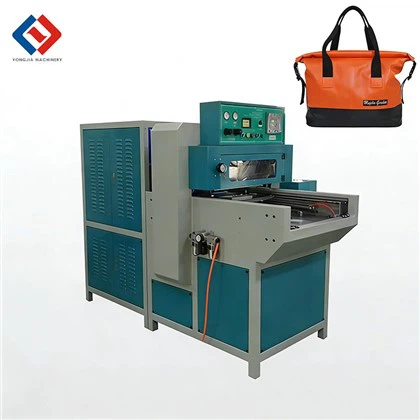
Let’s start with understanding why adjusting production parameters is so crucial. See, in a fully automatic production line, everything runs based on the preset parameters. These parameters control things like the speed of the conveyor belt, the temperature of the processing equipment, the pressure during forming or packaging, and so on. If the parameters are off, you’re likely to face issues like low – quality products, higher waste rates, and even equipment breakdowns.
Okay, so how do you actually start adjusting these parameters? Well, the first step is to have a clear goal. Are you trying to increase production speed? Improve product quality? Or maybe reduce energy consumption? Once you’ve got your goal in mind, you can start looking at the relevant parameters.
If your goal is to increase production speed, one of the first things to look at is the conveyor belt speed. But hold your horses! Just cranking up the speed isn’t always the answer. You need to make sure that the other parts of the production line can keep up. For example, if you have a machine that’s responsible for putting labels on products, increasing the conveyor belt speed might make it difficult for the labeling machine to work accurately. You’ll end up with mislabeled products or even machine jams. So, start by incrementally increasing the speed and monitor the performance of the other components.
Another important parameter related to speed is the cycle time of the individual machines on the production line. Each machine has a specific time it takes to complete its task. By analyzing and optimizing these cycle times, you can find ways to speed up the overall production process. For instance, if a machine has a long idle time between operations, you can adjust its settings to reduce that idle time.
Now, let’s talk about product quality. If you’re aiming to improve product quality, temperature and pressure are two key parameters. In a manufacturing process that involves heating or cooling, the temperature needs to be precisely controlled. For example, in plastic injection molding, if the temperature is too high, the plastic might become too fluid and result in a deformed product. On the other hand, if it’s too low, the plastic might not fully melt and cause weak spots in the product. You can use temperature sensors to monitor the temperature in real – time and make adjustments as needed.
Pressure is also crucial, especially in processes like die – casting or packaging. If the pressure is too high, it can damage the product or the equipment. If it’s too low, the product might not be formed correctly or the packaging might not be secure. You can install pressure gauges and use feedback control systems to maintain the optimal pressure.
Energy consumption is another major concern these days. Most fully automatic production lines consume a lot of energy, and adjusting the right parameters can help you save some bucks. One simple way is to adjust the power settings of the motors. Many motors on production lines run at a constant speed, but in some cases, they don’t need to. You can use variable – speed drives to adjust the motor speed according to the actual load requirements. This way, the motor consumes less energy when the demand is low.
Lighting and ventilation systems are often overlooked when it comes to energy consumption. You can install sensors to turn off the lights when there’s enough natural light or when there’s no one in the area. Similarly, the ventilation system can be adjusted to operate at a lower speed when the air quality is good enough.
But adjusting the production parameters isn’t just about hitting the numbers and forgetting about it. You need to monitor the results continuously. Most modern fully automatic production lines come with data – collection systems that can record things like production speed, product quality metrics, and energy consumption. Analyzing this data regularly will help you understand if your parameter adjustments are working as expected. If you notice that the product quality has declined after increasing the production speed, you might need to go back and readjust the parameters.
Sometimes, you might also face external factors that can affect the production line. For example, changes in the raw material quality or environmental conditions can throw off your production parameters. In such cases, you need to be flexible and make quick adjustments. If the raw material has a different moisture content than usual, it might affect the processing temperature or pressure. You’ll need to test and find the new optimal parameters for the new raw material.
In addition to all these technical aspects, it’s also important to train your staff. They are the ones who will be operating the production line on a daily basis. Make sure they understand the importance of the production parameters and how to make minor adjustments when needed. A well – trained staff can help prevent major issues and keep the production line running smoothly.
To sum it up, adjusting the production parameters of a fully automatic production line is a combination of goal – setting, parameter analysis, continuous monitoring, and flexibility. It’s not a one – time thing but an ongoing process. By getting it right, you can achieve better production efficiency, higher product quality, and lower operational costs.
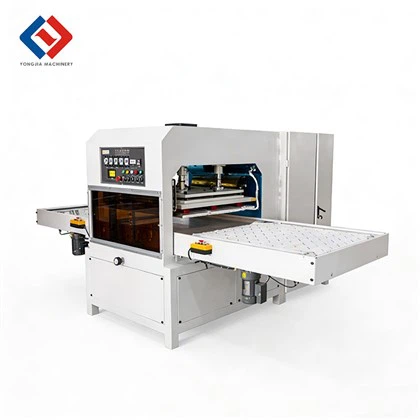
If you’re in the market for a fully automatic production line or need some advice on adjusting the parameters of your existing one, don’t hesitate to reach out for a chat. We’re here to help you optimize your production process and get the most out of your investment.
Shuttle Table HF Welding Machine References
- Some practical experience in the fully automatic production line industry
- Industry – specific manuals and guides for automatic production equipment
Dongguan Yongjia Machinery Equipment Co., Ltd.
We are one of the most reliable fully automatic production line manufacturers and suppliers in China, specialized in providing high quality customized service. Please feel free to wholesale advanced fully automatic production line at low price from our factory. For quotation, contact us now.
Address: No. 240, Chashan South Road, Chashan Town, Dongguan City, Guangdong Province, China
E-mail: info@yjwelding.com
WebSite: https://www.yjhighfrequencymachine.com/
