Sodium saccharin, an artificial sweetener with a long – standing history in the food and beverage industry, has been a staple product in our supply catalog. As a well – established supplier in the market, we often encounter various concerns and inquiries from our customers. One frequently asked question that piques our interest is whether sodium saccharin is affected by humidity. In this blog, we’ll delve into the science behind sodium saccharin and its interaction with humidity, drawing on scientific research and our own industry experience. Sodium Saccharin
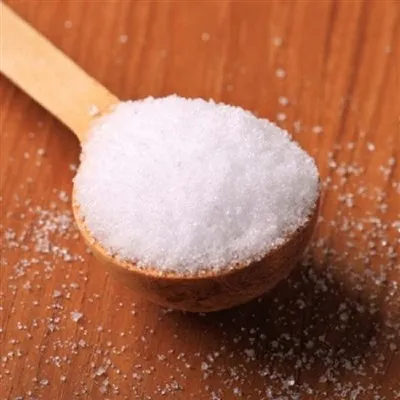
To understand the potential impact of humidity on sodium saccharin, we first need to look at the chemical properties of this sweet compound. Sodium saccharin, chemically known as o – sulfobenzimide sodium, is a white, crystalline powder. It is highly soluble in water and has a sweetness that is approximately 300 – 500 times greater than that of sucrose. These properties make it an ideal alternative for consumers looking to reduce their sugar intake.
Humidity refers to the amount of water vapor present in the air. When substances are exposed to different levels of humidity, they may undergo physical or chemical changes. For sodium saccharin, the primary concern related to humidity is its hygroscopic nature. Hygroscopic substances have the ability to attract and hold water molecules from the surrounding environment.
In the case of sodium saccharin, it does exhibit a certain degree of hygroscopy. When sodium saccharin is exposed to high – humidity environments for an extended period, it can absorb water from the air. This absorption can lead to several observable physical changes. One of the most common effects is clumping. The powder may start to form small or large agglomerates as water molecules act as a binding agent between the individual sodium saccharin crystals. These clumps can be a problem in industrial applications, where a consistent particle size and free – flowing nature of the product are often required for accurate dosing and processing.
Another aspect affected by humidity is the stability of sodium saccharin. While sodium saccharin is generally considered a stable compound under normal conditions, excessive water absorption due to high humidity can potentially impact its chemical stability. In a moist environment, there is a risk of hydrolysis. Hydrolysis is a chemical reaction in which water breaks down a compound. For sodium saccharin, hydrolysis could lead to the formation of saccharin acid and other by – products, which may affect the taste and quality of the sweetener.
However, the degree to which sodium saccharin is affected by humidity depends on several factors. The purity of the sodium saccharin plays a crucial role. Higher – purity sodium saccharin is generally less likely to be affected by humidity compared to lower – purity products. Impurities in the sodium saccharin can act as sites for water absorption and may accelerate the degradation process.
The duration of exposure to high humidity is also significant. Short – term exposure to moderately high humidity may cause only minor clumping that can be easily resolved. For example, if sodium saccharin is briefly exposed to a humid environment during transportation, it may clump slightly but can often be restored to a more usable state by gentle agitation. On the other hand, long – term storage in a consistently high – humidity environment can result in more severe degradation and loss of quality.
To mitigate the impact of humidity on sodium saccharin, proper storage conditions are essential. We recommend storing sodium saccharin in a dry, cool place. A relative humidity level of 40% – 60% is considered optimal for long – term storage. Specialized storage containers can also be used. Sealed containers made of materials that are impermeable to moisture, such as polyethylene or glass bottles, can effectively prevent water vapor from reaching the sodium saccharin.
In addition to storage, the handling of sodium saccharin also matters. During the manufacturing and packaging process, it is important to minimize the product’s exposure to humid air. Using dehumidifiers in production facilities can help maintain a low – humidity environment, ensuring that the sodium saccharin remains in its best – quality state.
From our experience as a sodium saccharin supplier, we have seen firsthand the importance of managing humidity for our customers. Our customers range from food and beverage manufacturers to pharmaceutical companies, all of which rely on the consistent quality of sodium saccharin. For food and beverage manufacturers, any change in the quality of sodium saccharin can lead to variations in the taste and texture of their products. In the pharmaceutical industry, where sodium saccharin is often used as a sweetening agent in oral medications, a compromised product can impact patient acceptance and the overall quality of the drug.
We strive to provide our customers with detailed guidance on how to handle and store sodium saccharin to minimize the impact of humidity. Our technical support team is always ready to assist our customers with any questions regarding the storage conditions, shelf – life, or any other issues related to sodium saccharin.
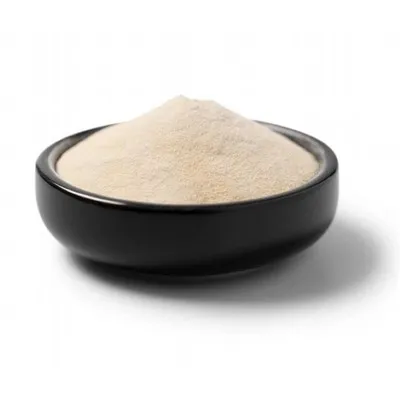
If you are in the market for high – quality sodium saccharin and are concerned about humidity – related issues, we are here to help. Our commitment to product quality and customer service makes us a reliable partner for your sodium saccharin needs. We offer a range of sodium saccharin products with different purity levels to meet the diverse requirements of our customers. Whether you are a small – scale food producer or a large – multinational pharmaceutical corporation, we have the right solution for you. We invite you to contact us to discuss your specific requirements and start a mutually beneficial cooperation.
Potassium Sorbate References
- Atkins, P., & de Paula, J. (2006). Physical Chemistry. Oxford University Press.
- Fennema, O. R. (1996). Food Chemistry (3rd ed.). Marcel Dekker.
- Shallenberger, R. S., & Acree, T. E. (1985). Molecular theory of sweet taste. CRC Press.
Fudijia (Tianjin) Supply Chain Co., Ltd.
With abundant experience, we re one of the most professional sodium saccharin manufacturers and suppliers in China. We warmly welcome you to wholesale bulk high quality sodium saccharin made in China here from our factory. For more information, contact us now.
Address: 301-2-1C,Jin Bin Jie Zuo,No.98, Huanghai Road,TEDA, Tianjin, China
E-mail: foodchem@hjlfoods.com
WebSite: https://www.ifoodchem.com/
