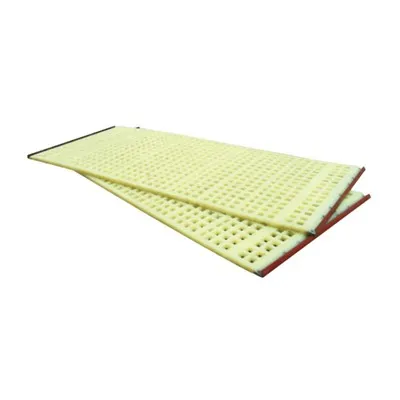
Hey there! I’m a supplier of wear-resistant parts, and today I wanna chat about how to optimize the design of these parts. Wear Resistant Parts
Understanding the Basics
First off, we need to understand what wear is. Wear is basically the damage that happens to a surface when it comes into contact with another surface or a fluid. There are different types of wear, like abrasive wear, adhesive wear, and fatigue wear.
Abrasive wear occurs when hard particles scratch or cut the surface of the part. You see this a lot in industries where there’s a lot of mining, construction, or farming. For example, in a mining operation, the shovels and buckets are constantly scraping against rocks and dirt, causing abrasive wear.
Adhesive wear, on the other hand, happens when two surfaces stick together and then pull apart, taking material from one surface to the other. This often occurs in high-pressure and high-speed situations, like in engines or gears.
Fatigue wear is when a part fails due to repeated loading and unloading. Think of a metal spring that eventually breaks after being stretched and compressed too many times.
Material Selection
One of the most important steps in optimizing the design of wear-resistant parts is choosing the right material. Different materials have different properties when it comes to wear resistance.
For abrasive wear, materials like high-chrome alloys are a great choice. These alloys have hard carbides that can resist the scratching and cutting action of abrasive particles. They’re commonly used in things like crusher liners and grinding balls.
Stainless steel can be a good option for parts that need to resist corrosion as well as wear. For example, in a food processing plant, where the parts are exposed to both water and abrasive food particles, stainless steel can be used to ensure the parts last a long time and also meet hygiene standards.
In some cases, composite materials can offer great wear resistance. These materials combine the properties of different substances to create a part that’s stronger and more wear-resistant than a single material could be. For instance, a composite made of a polymer matrix with embedded ceramic particles can be used in applications where light weight and high wear resistance are needed, like in aerospace or automotive industries.
Design Considerations
The shape and size of a wear-resistant part also play a big role in its performance.
Let’s talk about shape first. A smooth and streamlined shape can reduce the impact of abrasive particles. For example, if you’re designing a blade for a cutting machine, a blade with a sharp and smooth edge will be less likely to get caught on abrasive materials, which reduces wear.
Also, changing the shape can help distribute the load evenly across the part. In a gear design, for instance, the teeth should be designed in such a way that the force is spread out, rather than concentrated on one small area. This helps prevent fatigue wear.
When it comes to size, it’s important to find the right balance. A part that’s too small might not be able to handle the loads and stresses placed on it, leading to premature wear. On the other hand, a part that’s too large can be more expensive to manufacture and may add unnecessary weight to the system.
Surface Treatments
Surface treatments are a great way to boost the wear resistance of parts.
One common surface treatment is heat treatment. By heating and then rapidly cooling a part, we can change its microstructure and make it harder. For example, quenching and tempering can increase the hardness of steel parts, making them more resistant to wear.
Coating is another popular option. We can apply coatings like ceramic or tungsten carbide to the surface of a part. These coatings are very hard and can provide an extra layer of protection against wear. In a pump that’s used to transport abrasive slurries, a coated impeller can last much longer than an uncoated one.
Shot peening is a process where small metal shots are fired at the surface of a part. This creates compressive stresses on the surface, which can improve the fatigue life of the part and make it more resistant to cracks and wear.
Testing and Validation
Once we’ve designed and manufactured a wear-resistant part, we need to test it to make sure it meets our expectations.
There are different types of tests we can do. One common test is the abrasive wear test, where we subject the part to an abrasive environment and measure how much material is lost over a certain period of time. This helps us compare different materials and designs to see which ones are the most wear-resistant.
We can also do fatigue tests, where we apply repeated loads to the part until it fails. This tells us how long the part will last under normal operating conditions.
By analyzing the test results, we can make any necessary adjustments to the design or material selection. Maybe we need to change the coating thickness or switch to a different alloy.
Conclusion
So, optimizing the design of wear-resistant parts involves a combination of understanding the different types of wear, choosing the right materials, considering the shape and size, applying surface treatments, and testing the parts.
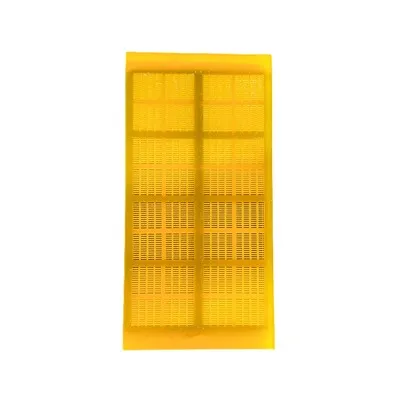
Polyurethane Screen If you’re in the market for high-quality wear-resistant parts, or if you have specific requirements for a wear-resistant application and need some advice, I’m here to help. Whether you’re in the mining, construction, automotive, or any other industry that needs wear-resistant solutions, we can have a chat about how to meet your needs. Don’t hesitate to reach out and start a conversation about your procurement needs.
References
- Campbell, F. C. (2008). Manufacturing Engineering & Technology. Pearson Prentice Hall.
- Dieter, G. E. (1988). Mechanical Metallurgy. McGraw-Hill.
- Totmelein, D. S., Schmid, S. R., & Ness, D. V. (2012). Manufacturing Processes for Engineering Materials. Pearson.
Yangzhou Yaye Wire Mesh Manufacturing Co., Ltd.
As one of the most professional wear resistant parts manufacturers in China, we have world-leading production equipment and strong manufacturing capabilities. Please feel free to wholesale cheap wear resistant parts in stock here from our factory. Also, free sample is available.
Address: No. 1 Jiangjia Road, High-tech Industrial Park, Jiangdu District, Yangzhou City, Jiangsu Province
E-mail: 13952515577@163.com
WebSite: https://www.yayescreen.com/
