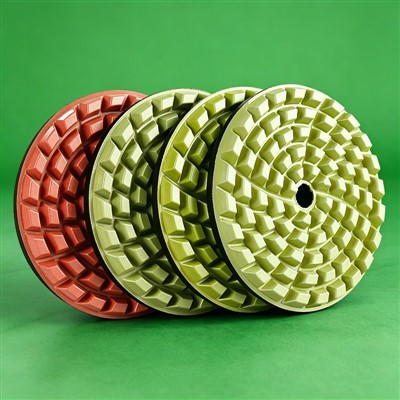
When delving into the world of abrasives, the hardness of Classical Disc Abrasives emerges as a pivotal factor that significantly influences their performance and application. As a seasoned supplier of Classical Disc Abrasives, I’ve witnessed firsthand how the hardness of these abrasives can transform the way they are used across various industries. In this blog, I’ll explore the intricate relationship between the hardness of Classical Disc Abrasives and their practical use, providing insights based on years of experience in the field. Classical Disc Abrasive
Understanding the Hardness of Classical Disc Abrasives
The hardness of an abrasive is a measure of its resistance to deformation and wear. In the case of Classical Disc Abrasives, hardness is determined by the material composition and the manufacturing process. Common materials used in these abrasives include aluminum oxide, silicon carbide, and ceramic grains, each with its own unique hardness characteristics.
Aluminum oxide is one of the most widely used materials in Classical Disc Abrasives due to its good balance of hardness, toughness, and cost – effectiveness. It is relatively hard, making it suitable for a variety of applications, from general metalworking to wood sanding. Silicon carbide, on the other hand, is harder than aluminum oxide and has excellent heat resistance. It is often used for grinding and sanding non – ferrous metals, ceramics, and glass. Ceramic grains are among the hardest and most durable materials used in abrasives. They offer high cutting efficiency and long life, making them ideal for heavy – duty applications such as grinding hardened steels.
Impact on Cutting Efficiency
The hardness of Classical Disc Abrasives has a direct impact on their cutting efficiency. Harder abrasives can penetrate the workpiece more easily, removing material at a faster rate. For example, when working with high – strength metals like stainless steel or titanium, a harder abrasive such as ceramic – based Classical Disc Abrasive will cut through the material more quickly than a softer aluminum oxide abrasive. This increased cutting efficiency not only saves time but also reduces the overall cost of the machining process.
In woodworking applications, the choice of abrasive hardness also affects the cutting efficiency. A harder abrasive can remove more wood material in a shorter time, but it may also cause more surface damage if not used correctly. Softer abrasives, on the other hand, are better suited for fine finishing work, where a smooth surface is desired.
Influence on Surface Finish
The surface finish of the workpiece is another crucial aspect that is affected by the hardness of Classical Disc Abrasives. Softer abrasives tend to produce a smoother surface finish because they are less likely to cause deep scratches or gouges on the workpiece. For example, in automotive body repair, a softer aluminum oxide abrasive is often used for the final sanding stage to achieve a smooth and even finish.
Harder abrasives, while they offer high cutting efficiency, may leave a rougher surface finish. However, this can sometimes be an advantage in certain applications. For instance, in some industrial coating processes, a slightly roughened surface is required to ensure better adhesion of the coating. In such cases, a harder abrasive can be used to create the desired surface texture.
Wear Resistance and Durability
The hardness of Classical Disc Abrasives is closely related to their wear resistance and durability. Harder abrasives are generally more resistant to wear, which means they can maintain their cutting performance for a longer period of time. This is particularly important in high – volume production environments, where frequent abrasive replacement can lead to increased downtime and costs.
For example, in a metal fabrication shop that processes a large number of steel parts on a daily basis, using a hard ceramic – based Classical Disc Abrasive can significantly reduce the frequency of abrasive changes. The durability of the abrasive also ensures consistent cutting performance throughout its lifespan, resulting in more uniform workpiece quality.
Application – Specific Considerations
Different industries and applications have specific requirements when it comes to the hardness of Classical Disc Abrasives. In the aerospace industry, where precision and high – quality surface finishes are critical, the choice of abrasive hardness is carefully considered. For machining titanium components, a hard silicon carbide or ceramic abrasive may be used for the roughing stage to remove material quickly, followed by a softer aluminum oxide abrasive for the finishing stage to achieve the desired surface finish.
In the stone and masonry industry, the hardness of the abrasive must be matched to the hardness of the stone. For softer stones like limestone, a softer abrasive may be sufficient, while harder stones like granite require a harder abrasive for efficient cutting and shaping.
Compatibility with Equipment
The hardness of Classical Disc Abrasives also needs to be compatible with the equipment used. Harder abrasives generate more heat and require more power to operate. Therefore, when using a hard abrasive, it is essential to ensure that the grinding or sanding equipment is capable of handling the increased load. Inadequate equipment may lead to premature wear of the abrasive, as well as potential damage to the equipment itself.
For example, a small – scale bench grinder may not be suitable for using a very hard ceramic abrasive disc, as it may not have enough power to drive the abrasive effectively. On the other hand, a large – scale industrial grinding machine can easily accommodate and utilize the high – cutting power of a hard abrasive.
Cost – Benefit Analysis
When considering the hardness of Classical Disc Abrasives, it is important to conduct a cost – benefit analysis. Harder abrasives are generally more expensive than softer ones, but they offer longer life and higher cutting efficiency. In some cases, the initial higher cost of a hard abrasive can be offset by the savings in labor and downtime due to less frequent abrasive replacement.
For example, a manufacturing company that produces a large number of precision parts may find that investing in hard ceramic abrasives is more cost – effective in the long run, despite the higher upfront cost. However, for a small – scale workshop with lower production volumes, a softer and more affordable aluminum oxide abrasive may be a better choice.
Conclusion
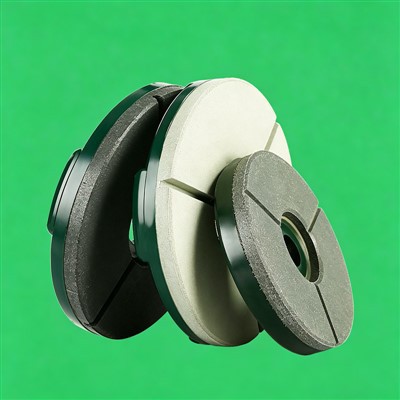
In conclusion, the hardness of Classical Disc Abrasives plays a crucial role in determining their performance, application, and cost – effectiveness. As a supplier, I understand the importance of providing customers with the right abrasive for their specific needs. Whether it’s for high – speed cutting, fine finishing, or heavy – duty grinding, the choice of abrasive hardness should be based on a thorough understanding of the workpiece material, the desired surface finish, the equipment available, and the overall cost – benefit analysis.
Buff Fickert and Classical Abrasive If you are in the market for Classical Disc Abrasives and need expert advice on choosing the right hardness for your application, we are here to help. Our team of experienced professionals can provide you with detailed information and guidance to ensure that you get the most out of your abrasives. Contact us today to start a discussion about your abrasive needs and explore how our high – quality Classical Disc Abrasives can enhance your operations.
References
- "Abrasive Technology Handbook" by John P. Cavanaugh
- "Materials Science and Engineering: An Introduction" by William D. Callister Jr. and David G. Rethwisch
- Industry – specific technical papers on abrasive applications from various manufacturing and machining associations.
Quanzhou Cheefung New Materials Co., Ltd.
As one of the most experienced classical disc abrasive enterprises in China, we are able to meet the needs of the majority of our customers. Please feel free to wholesale advanced classical disc abrasive made in China here from our factory. For price consultation, contact us.
Address: Jinshan Community, Licheng District, Quanzhou City, Fujian, China
E-mail: info@prostonetools.com
WebSite: https://www.prostonetools.com/
