If you’ve ever stood on a shop floor watching a machining center roar to life—spindle whirring, chips flying, coolant mist lingering mid-air—you might’ve wondered: is this big, complex machine as bad for the planet as it looks? As a machining center supplier, I get this question all the time, and I’ve spent years digging into the real environmental impact, not just the sensational headlines. It’s not as simple as “machines = pollution”—the whole thing breaks down into three big buckets: energy use during operation, waste (both solid and liquid) generated from cutting materials, and the hidden footprint of making the machine itself. Let’s break this down like we’re chatting over a cold coffee after a long day on the shop floor, no stuffy jargon, I promise. Machining Center

First, let’s talk energy. This is the biggest one, no doubt about it. A typical 3-axis vertical machining center (the workhorse most small to mid-sized job shops use) draws anywhere from 10 to 30 kilowatts (kW) when it’s running at full tilt—way more than a residential AC unit, which clocks in around 2-5 kW on a hot day. But here’s the thing: that number can vary so much it’s almost useless on its own. If a shop runs the machine 8 hours a day, 5 days a week, it’ll use roughly 2,000 to 6,000 kWh a month. But if they’re letting it idle between jobs—something I see way too often, especially with teams that are short-staffed and jump between projects—it can suck up 30-50% of that energy for nothing. I’ve had customers cut their energy bills by 40% just by adding a simple auto-shutoff timer that powers the spindle down after 10 minutes of inactivity. That’s not a fancy green upgrade, just a basic habit change.
But energy use isn’t just about how much power the machine draws—it’s about where that power comes from. If your machining center is running on coal-generated electricity, that 6,000 kWh a month translates to like 4 tons of CO2 annually, give or take. But if your shop is on solar or wind? That same number drops to near zero for scope 2 emissions (the energy you buy from the grid). A lot of people forget that the machine itself isn’t the only variable here—its carbon footprint is tied directly to the grid it’s plugged into. I once sold a 5-axis machining center to a aerospace job shop in Arizona that installed a 100 kW solar array right after, and they told me their new machine’s annual emissions were less than half what their old 3-axis used to be. That blew my mind at first, but it makes total sense when you think about it.
Next up: waste, the messy stuff that sticks around the shop floor. Machining centers don’t just turn steel, aluminum, or titanium parts—they generate chips, right? Those metal shavings are often lumped into the “waste” category, but here’s the secret: most of them are recyclable. I’ve seen shops send 90% of their machining chips back to the metal supplier, who melts ’em down and turns ’em into new billets. That’s way better than sending them to a landfill, where they’d take up space and might leach small amounts of oil or cutting fluid into the ground. The problem is, a lot of small shops don’t have a reliable way to sell chips in bulk, so they end up paying a waste company to haul ’em away. That’s a double whammy: they’re wasting money, and extra fuel is used to haul scrap metal around. A quick fix I push for is working with local metal recyclers—many will pick up chips for free if you’ve got a consistent load, so it’s a win-win.
Then there’s the cutting fluid, which is a trickier beast. This stuff keeps the spindle cool, lubricates the cut, and flushes chips away, but it’s a mix of oil, water, and additives that can be toxic if not handled right. Old, spent cutting fluid is usually classified as hazardous waste, so you can’t just dump it down the drain. I’ve seen shops spend hundreds of dollars a month to have a service company pump out their old fluid and dispose of it properly. But modern machining centers—especially the high-precision ones I sell now—have closed-loop coolant systems that filter and reuse 95% of the fluid, instead of dumping it every few days. Some even use biodegradable cutting fluids now, which break down way faster if there’s a spill, so they’re less of a hassle to dispose of. I had a customer in Michigan switch to a closed-loop system and cut their cutting fluid waste by 80% in the first year. They told me it paid for the new machine’s filter system in less than two years from the money they saved on waste disposal.
Now, let’s talk about the hidden footprint: making the machine itself. A typical machining center is made of cast iron for the base, steel for the frame, aluminum for the spindle housing, and a whole lot of electronics—motors, controllers, sensors. All that manufacturing takes energy, plus raw materials. Cast iron, for example, is super energy-intensive to melt, and shipping the machine from a factory to a shop (sometimes across the world) adds to the transportation footprint. But here’s where the story changes: a high-quality machining center can last 20, even 30 years, if you take care of it. That means you’re not buying a new machine every 5 years, which saves way more in the long run than the initial cost of a better machine. I’ve had shops I sold a machine to in 1998 still using it to make tractor parts—they replaced the spindle once, did regular maintenance, and it’s still going strong. Compare that to cheap, low-quality machines that break down in 10 years, and suddenly the long-term environmental cost is way lower for the good stuff I sell.
Wait, let’s address the elephant in the room: when is a machining center actually bad for the planet? It’s not when it’s operating well, or when you’re recycling your chips, or when you’re using renewable energy. It’s when it’s idling 24/7, when you’re dumping cutting fluid because you don’t have a closed loop, when you’re buying a cheap machine that you’ll have to replace in a decade, or when you’re sending every last chip to a landfill. I’ve seen some job shops that run their machines super efficiently—they schedule jobs back-to-back, recycle all their chips, use solar power, and maintain their machines religiously—cut their machining-related carbon emissions by 70% in just two years. That’s not impossible; it’s just a matter of small choices.
I also want to call out a common myth: people think CNC machining is way more polluting than, say, 3D printing or injection molding. But let’s do a quick side-by-side. If you’re making a aluminum aerospace bracket, machining it from a solid billet generates a lot of chips, but those chips are recyclable. 3D printing that same bracket uses a ton of energy to melt metal powder, and the leftover powder is often hard to recycle, plus it can have more material waste (since support structures have to be removed). Injection molding requires making a mold first, which has its own big footprint, and it’s only good for high-volume runs—if you need a prototype, you’re stuck waiting for the mold, or wasting money on a small production run. So it’s not a one-size-fits-all, but machining’s environmental impact is way more manageable than a lot of alternatives when done right.
As a supplier, I don’t just sell machines—I try to help customers lower their footprint, because that’s better for them and better for the planet. I don’t push the fanciest, most expensive machine; I ask them about their shop’s energy use, their current waste practices, how many hours a week they run their machines, and then I recommend something that fits. Maybe that’s a machine with a closed-loop coolant system, or a timer to cut idling, or even a retrofitting kit for their old machine to make it more energy-efficient. Last year, I helped a small job shop in Ohio switch to solar and add auto-shutoff to two of their machining centers, and they cut their monthly energy bill by $1,200. They told me that was enough to cover their next machine maintenance and a new recycling bin for their chips.
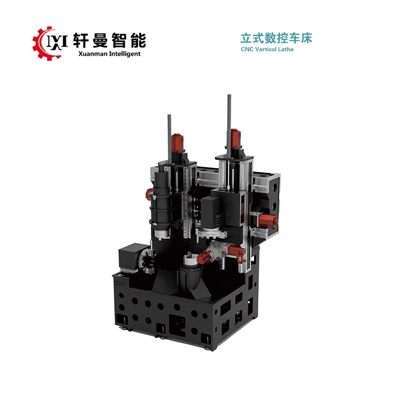
Let’s wrap this up like we’re closing the shop for the night. The environmental impact of a machining center isn’t a fixed number—it’s something you control. It depends on how you run it, how you maintain it, where your energy comes from, and how you handle waste. The good news is, there are small, cheap changes that make a huge difference: turn off the machine when it’s not in use, recycle your chips, invest in a closed-loop coolant system. If you’re in the market for a new machining center, or you want to upgrade your existing one to be more efficient, I’d be happy to chat through what would work for your shop. No sales pitch, just real talk about how to make your operations greener and more cost-effective.
CNC Gear Hobbing Machine References:
- Global Manufacturing Energy Consumption Report, International Energy Agency, 2022
- Life Cycle Assessment of CNC Machining Centers, Journal of Cleaner Production, 2021
- Metal Recycling Statistics, Institute of Scrap Recycling Industries, 2023
- Cutting Fluid Waste Management for Machine Shops, National Institute for Occupational Safety and Health, 2020
Jiangsu Xuanman Intelligent Equipment Co., Ltd.
We’re well-known as one of the leading machining center manufacturers in China, featured by quality products and low price. Please rest assured to buy discount machining center made in China here from our factory. We also accept customized orders.
Address: No. 1-1, Weier Road, Jieji Equipment Manufacturing Industrial Park, Sihong County, Suqian City, Jiangsu Province, China
E-mail: jsxmzn@163.com
WebSite: https://www.xm-cnc.com/
