Hey there, Cutting Machine
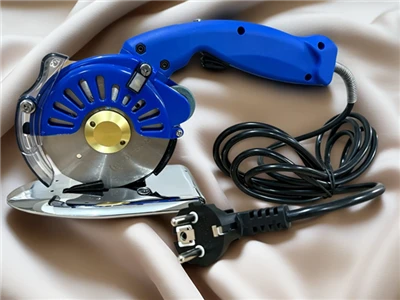
If you’re anything like the small manufacturing shop I’ve been working with for the past 10 years, you’ve probably stared at a pile of plastic parts at 2 a.m. wondering: can my current cutting machine even handle this stuff? Or maybe you’re shopping around for a new cutter, and the first question on your mind is “wait, do these machines actually cut plastic?” Trust me, I get it—when you’re juggling tight deadlines and thin margins, the last thing you want is to waste cash on a machine that leaves you with melted plastic edges, chipped parts, or even a total mess of plastic shavings that take longer to clean up than the whole job. I’ve been in the cutting machine supplier game long enough to know this is one of the most common questions I get, so let’s break it down like we’re chatting over a coffee (no stuffy jargon, promise).
First off, let’s cut to the chase: yes, cutting machines absolutely can cut plastic. But here’s the thing—all plastic isn’t created equal, and not every cutting machine is built for every type of plastic. I’ve had customers call me saying their old wood-cutting CNC won’t touch thick PVC, or their fabric cutter melts thin PET sheeting like butter. That’s not the machine being bad—it’s a mismatch between the machine’s design and the plastic’s properties. Let’s start with why plastic is tricky in the first place. Most plastics are thermoplastics, right? That means they soften when heated, which is great for molding but not so great when you’re cutting them. If a blade or a cutting tool gets too hot, it’ll melt the plastic along the cut edge, leaving that weird sticky residue or a warped part. Thermoset plastics, on the other hand, don’t soften when heated—they’re harder, more brittle, and tend to chip if you don’t use the right force.
So let’s get into the different types of cutting machines I supply, and what plastic they work best for. Let’s start with the most popular ones my customers grab for plastic jobs:
First up, laser cutters. Now, I know a lot of people have heard horror stories about lasers melting plastic, but that’s only if you set the power too high or the speed too slow. For thin plastics—think acrylic sheet, PETG, vinyl signs, even thin HDPE for packaging—laser cutters are absolute workhorses. I have a regular customer who makes custom acrylic phone cases and name badges; she’s been using our 40W desktop laser for 3 years now, and she swears by it. The key here is that a laser cuts with a focused beam of light, so it’s super precise. It doesn’t touch the plastic, so there’s less friction and less heat (when tuned right). The only catch? Laser cutters work best for thinner plastics, usually under ½ inch. If you’re trying to cut thick PVC pipe or 1-inch HDPE stock, a laser’ll just burn through it unevenly, not give you a clean edge.
Next, there’s the oscillating knife cutter. This is my go-to machine for flexible plastics—like vinyl, rubber seals, foam padding, even thin plastic film. Oscillating knives move up and down super fast (think 20,000+ cuts per minute) and they don’t spin like a regular saw blade. That means they don’t generate nearly as much friction heat, so they won’t melt flexible plastics. I had a customer who makes custom gaskets for industrial pumps; he switched from a bandsaw to our oscillating knife cutter a year ago, and now his gaskets have zero burrs, and he cuts 3x faster than before. The great thing about these is they can cut through multiple layers of thin plastic at once, which is a huge time saver for packaging or sign shops. They also work on rigid plastics too, like thin acrylic, just not the super thick stuff.
Then there’s the CNC router. This is the heavy hitter for thick, rigid plastics. If you’re working with 2-inch thick HDPE for a machine part, or thick PVC for industrial panels, a CNC router is what you need. CNC routers use a sharp rotating bit, and while there’s some friction, we design ours with variable speed controls and special bits that are sharpened specifically for plastic, not wood or metal. The trick with CNC routers for plastic is to not run too fast—if you go too quick, the bit will grab the plastic and chip it, too slow and you might get melted edges. I always tell customers to test a scrap piece of their plastic first, which is why I include free test cuts with every machine I sell. Last quarter, I had a customer in the construction industry who needed to cut thick PVC formwork for building foundations; our CNC router cut through the 1.5-inch PVC like butter, and he told me the edges were so clean he didn’t even need to sand them.
Wait, what about those older machines people still use, like band saws? Yeah, you can use a band saw for plastic too, but only if you use a plastic-specific blade. Regular wood or metal band saw blades will chip plastic, and the friction from the blade will melt the edges. Most of my customers don’t go this route anymore because it’s less precise and more work, but it’s an option for really thick, large pieces of plastic if you’re on a tight budget.
Now, let’s talk about the common mistakes I see people make when trying to cut plastic. First, using the wrong tool for the job. I can’t tell you how many times someone has bought a cheap laser cutter for thick polycarbonate, and then complained it doesn’t work. Thick polycarbonate is super impact-resistant, and it requires a lot more cutting force than a laser can deliver without melting. Second, not accounting for plastic’s heat sensitivity. Like I said earlier, thermoplastics melt when heated, so if your machine is generating too much heat, you’re gonna have issues. That’s why our machines for plastic have features like air assist on laser cutters—blowing a small stream of air on the cut area to cool it down and blow away debris, so the plastic doesn’t melt. Third, not testing the material. Every batch of plastic is a little different, right? A sheet of acrylic from one manufacturer might be softer than the same thickness from another, so your machine settings might need a tiny tweak. I always tell new customers to grab a scrap piece from their supplier before they do a full run, so they don’t ruin a whole batch of parts.
Another thing I get asked all the time: can a cutting machine cut recycled plastic? Short answer: yes, but again, it depends on the machine. Recycled plastic can be a bit more brittle than virgin plastic, especially if it’s mixed with different types of plastic, so you need a machine that can handle that extra brittleness without chipping. Our CNC routers and oscillating knife cutters work great for recycled plastic sheets and blocks, and we even have a few customers who use our machines to cut recycled plastic into new packaging parts, which is super cool—helping the environment and their bottom line at the same time.
Let’s also talk about the benefits of using a proper cutting machine for plastic, instead of DIY tools like utility knives or scissors (for thin plastic). First, precision. If you’re making parts that need to fit together, a DIY tool will never give you the consistent 0.1mm accuracy that a CNC or laser cutter does. Second, speed. I once had a customer who was cutting plastic signs with a utility knife; it took him 2 hours to cut 10 signs. With our laser cutter, he does 10 signs in 15 minutes. Third, less waste. When you mess up a cut with a utility knife, you ruin the whole plastic sheet. A proper cutting machine uses digital files to make exact cuts, so waste is way lower. That’s a big deal for small business owners—plastic sheets aren’t cheap, so wasting half a sheet on a bad cut is a cost you can’t afford.
Now, if you’re reading this and thinking “okay, but what machine do I even need?” Let’s run through a quick breakdown to help you out. If you’re working with thin plastic (under ½ inch) like acrylic, vinyl, PETG for signs or phone cases, go for a laser cutter. If you’re working with flexible plastic (vinyl, rubber, film, thin gaskets), go for an oscillating knife cutter. If you’re working with thick, rigid plastic (over ½ inch, up to 4 inches) like HDPE, thick PVC, polycarbonate for industrial parts, go for a CNC router. And if you’re on a super tight budget for very basic cuts, a band saw with a plastic blade is an option, but it’s not as reliable long-term.
I know shopping for a cutting machine can feel overwhelming, especially if you’re new to working with plastic. There are so many brands, specs, and jargon thrown at you that it’s easy to get lost. That’s why I don’t just sell machines—I help people figure out what they actually need. I’ve had customers come to me saying “I need to cut plastic” and we end up going with a machine they never even considered, because it fits their budget and their specific jobs. For example, a small sign shop might not need a huge industrial CNC router—our 60W desktop laser cuts all the sign material they need, and fits in their small workshop. A manufacturer making industrial gaskets might need a mid-sized oscillating knife cutter that can handle custom shapes and multiple layers.
Let me also mention something I care about a lot: durability. I’ve had customers buy cheap cutting machines from overseas that break down after 6 months, especially when used for plastic. Plastic can be abrasive—all those little plastic shavings can get into the machine’s moving parts if it’s not sealed right. The machines I supply are built with heavy-duty parts, sealed motors, and easy-to-clean dust collection systems, so plastic debris doesn’t cause issues down the line. I also offer support after the sale, not just a one-time handoff. If you have a problem with your machine, I pick up the phone or send a technician out (if you’re local) to fix it, no runaround.
Wait, I should address one more common question: can a cutting machine cut all types of plastic? No, not technically. For example, some super thick, specialty plastics like certain engineering-grade thermosets that are only used for high-heat industrial parts might require a more specialized tool, but for 99% of the plastic that small and medium businesses use—acrylic, PVC, HDPE, PETG, vinyl, polycarbonate—our machines work perfectly. I’ve even had customers use our oscillating knife cutter to cut thin plastic-coated fabric for outdoor awnings, which is a bit of a mix between plastic and fabric, and it works like a charm.
At the end of the day, the answer to “can a cutting machine cut plastic?” is a resounding yes—but only if you pick the right machine for your specific plastic type, thickness, and the parts you’re making. I’ve seen too many people waste money on machines that look good on paper but can’t handle their actual work, and that’s what I’m here to help avoid.
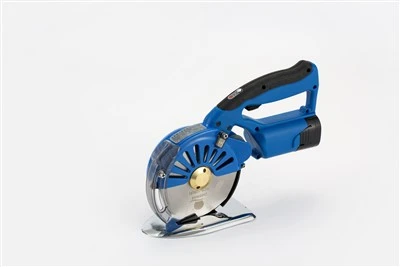
If you’re tired of fighting with melted edges, chipped parts, or slow cutting times for your plastic jobs, let’s chat. I can walk you through your options, answer any specific questions you have about your plastic material, and help you find a machine that fits your budget and your workflow. No pressure, no sales pitch—just real advice from someone who’s been in this industry for years, and has helped hundreds of customers get their plastic cutting jobs done right.
Electrical Angle Grinder References:
- Plastic Cutting Technologies: A Guide for Manufacturers, Industrial Machinery Digest, 2022
- Thermal Properties of Common Thermoplastics, Society of Plastics Engineers, 2021
- Oscillating Knife Cutting for Flexible Materials, Journal of Manufacturing Processes, Vol. 67, 2021
- CNC Routing for Rigid Thermoplastics, American Machinist, 2020
Zhejiang Cheering Sewing Machine Co., Ltd.
With abundant experience, we are one of the most professional cutting machine manufacturers and suppliers in China. Please feel free to wholesale advanced cutting machine for sale here from our factory. We also accept customized orders.
Address: No.69 Heping Road, Lishui, Zhejiang, China
E-mail: gxjlq@126.com
WebSite: https://www.cheering-machinery.com/
