Hey everyone, let’s cut to the chase – if you’re running or working at a rubber factory, you’ve definitely dealt with that sticky, suffocating heat that settles over the shop floor, mixes with the faint rubber fumes, and makes even the simplest task feel like a workout. I’m part of an industrial air cooler supplier crew, and one question we get at least once a week is: “Wait, can industrial air coolers actually work here, instead of those outdated, energy-hungry AC units we’ve been clinging to?” Spoiler alert: Yeah, they can – but there’s a lot to get right before you plug one in and cross your fingers. Let’s break this down like we’re chatting over a coffee (and avoiding rubber dust, obviously). Industrial Air Cooler
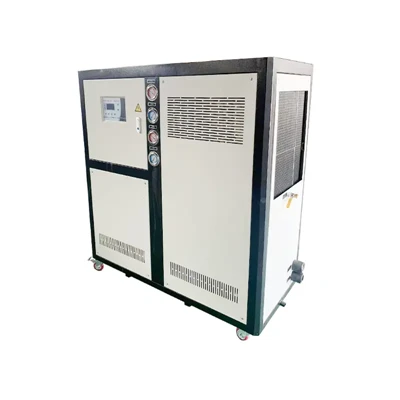
First, let’s recap what industrial air coolers actually do, because there’s a massive misconception that they’re just “fancy box fans.” No, they’re evaporative coolers – they work by pulling warm, dry air through wet pads, the water evaporates, and that pulls heat out of the air, pushing cooler, more humid air into the space. This is different from refrigerated AC, which just moves heat around and recirculates the same air, chilling it with chemicals. For a rubber factory, that’s a game-changer, but only if your factory’s environment fits the one thing evaporative coolers need: dry air. Wait, hold on – some people think rubber factories are super humid, right? Let’s test that.
The average rubber manufacturing process has several stages, and humidity varies a ton depending on the stage. Let’s walk through a typical rubber factory day. First, the raw material prep: you’re unloading rubber bales, grinding them into crumbs, maybe mixing in chemicals like sulfur, antioxidants, or carbon black. That area – usually the receiving and mixing bay – is usually kept pretty dry on purpose, actually. Too much humidity here, and rubber bales get moldy, powders clump up, and that mix won’t cure right. Then you move to the extrusion or molding stage: forcing rubber through dies to make hoses, seals, or tire treads, or baking molded parts to cure them. That curing oven area is the most humid spot in the whole factory, but it’s also a separate, enclosed zone with fume extraction fans pulling that hot, moist air out the door anyway. The rest of the factory – the assembly line, the storage bays for unfinished goods, the quality control area – is usually maintained at a relative humidity (RH) of 40% to 60% during production. Guess what? That’s exactly the sweet spot where industrial evaporative coolers work best. If RH is above 70%, they don’t cool as well, but most rubber factories’ working zones never hit that high (the curing area is vented constantly, so that humidity doesn’t spill over). I’ve seen this firsthand – last year, we installed a set of our units at a tire parts factory in Ohio, and their mixing bay was sitting at 62% RH on hot summer days, and the coolers dropped the temp 12 degrees F without making the rubber powders clump. That’s the real test, not just a lab number.
Next, let’s talk about the big concerns rubber factory managers have, and how industrial coolers solve them – or don’t, depending on setup. First up: dust. Rubber factories generate a lot of fine dust – carbon black dust, rubber crumb dust, chemical additives. That dust can clog the cooler’s water pads, right? So you can’t just use a standard cooler off the shelf. You need units with two key upgrades: first, a pre-filter system that’s rated for fine particulate matter (we use MERV 13 filters on all our rubber-focused units, which catch 90% of that dust before it hits the main pads). Second, self-cleaning pad tech – our units have a timed rinse cycle that flushes the pad with fresh water every 4 hours, so dust doesn’t cake on and block the evaporation. We tested this at a small gaskets factory in Indiana that was dealing with terrible clumping issues before, and their pad life went from 2 weeks to 3 months without any manual cleaning. That’s a huge win because factory maintenance teams are busy – they don’t have time to scrub dust off pads all shift.
Another big worry: fumes. Rubber manufacturing gives off volatile organic compounds (VOCs) from curing, mixing, and processing – stuff that’s not great to breathe, and some managers worry coolers will recirculate those fumes. But here’s the thing: industrial air coolers don’t recirculate air, they exhaust it. They pull in fresh air from outside, process it, and push it into the factory, while pushing the old, fume-filled air out through the factory’s existing vents or door gaps. It’s a cross-ventilation system, basically. At the Ohio tire factory I mentioned earlier, their old setup was recirculating AC that just looped curing fumes around the shop, so workers were complaining of headaches by mid-shift. After we installed the coolers, we paired them with the factory’s existing exhaust fans to make sure the old air was pulled out fast, and they measured a 40% drop in airborne VOC levels on the main floor. That’s not just cooler temps – that’s safer air for your team, too.
Wait, but what about when it’s humid outside? Let’s be real, summer in the Midwest or Southeast US can be muggy, and if your factory’s outside air is 80% RH, the coolers won’t drop temps as much. But here’s a pro tip for rubber factories: schedule your cooler use around humidity peaks. Most rubber factories run 24/7, right? The hottest, most humid time of day is usually midday, so crank the coolers then, and when it’s cooler at night, you can just run them on low or open doors for natural ventilation. Also, some areas are just naturally super humid – like the Gulf Coast. For those factories, we pair our coolers with dedicated dehumidifiers in the mixing and curing zones, so the incoming air to the coolers is dry enough to still get that cooling. We did a project at a rubber shoe factory in Texas that’s been running this setup for 18 months, and they haven’t had a single issue with clumping or mold in the raw material prep area.
Now, let’s talk about cost, because that’s what makes managers actually listen. Industrial air coolers use 1/10th the energy of traditional refrigerated AC. Let me do the quick math for you: a standard 10-ton industrial AC unit uses about 35,000 watts, while our equivalent cooler uses 3,500 watts. For a factory with 5 units, that’s a difference of 157,500 watts vs. 15,750 watts – that’s like skipping 10 households’ power use every month. At the Ohio tire factory, their AC bill was $12,000 a month in summer; after switching to coolers (plus a few small AC units in the mold areas that need super precise temps), their summer power bill dropped to $2,800. That’s $9k a month they can put into raw materials, raises, or new equipment – not to mention less maintenance, since coolers have far fewer moving parts than AC (no compressors, no refrigerant leaks, no expensive filter changes every month).
But here’s the catch: industrial air coolers aren’t a one-size-fits-all. You can’t just buy a couple random coolers and plop them in the middle of the shop. You need to size them right, and coordinate with your factory’s layout. For example, if you have a long assembly line, you’ll want to space the coolers along the line so every worker has consistent airflow, not just one hot end and one cold end. If your mixing bay is separated by a wall from the assembly line, you might need ducting to route the cool air into that dry zone. We send a rep to every factory we work with to do a site audit – they check the RH of each production zone, the number of workers, the layout, even the existing ventilation – before we recommend any units. Last month, we had a manager at a rubber hose factory try to skip the audit and buy 8 big coolers, and they ended up blowing so much air through the storage bays that some of the finished hoses got dusty. We worked with them to re-arrange 4 of the units and add small vents to redirect air, and now they’re happy, but that’s why the audit step is non-negotiable.
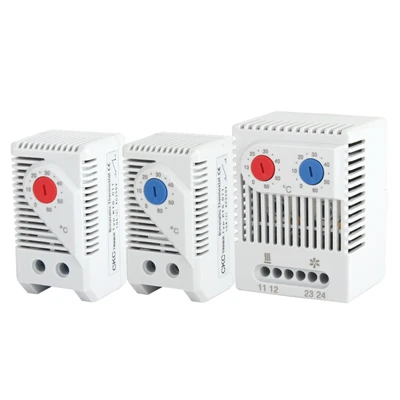
Wait, also, what about curing rubber specifically? Curing happens at high temps, usually in ovens, and you don’t want cool air getting into those ovens because it would mess with the cure time, making parts weak or inconsistent. But that’s why curing ovens are enclosed and have their own exhaust. The coolers are used in the surrounding shop, where workers are standing by, not inside the oven. We even have units with temperature sensors that shut off automatically if the air around the ovens drops below a safe threshold, so there’s zero risk of ruining a batch of parts. The Indiana gasket factory we worked with had a problem where some batches of gaskets were failing because the shop was too hot and workers were rushing the curing prep, and after we installed the coolers, their error rate dropped by 22% – that’s a direct result of cooler, more comfortable workers not cutting corners.
Let’s be real, I know some of you are thinking, “But evaporative coolers add humidity to the air – won’t that mess with the rubber?” That’s the key point I touched on earlier: only in the wrong zones. You don’t want extra humidity in the mixing, molding, or curing prep areas, but those are the zones we’ve already optimized to keep dry with the pre-filters, rinse cycles, and cross-vent. The areas where rubber is curing or being stored are either vented or have controlled humidity anyway. At the Texas shoe factory, their finished stock is stored in climate-controlled warehouses, so the small amount of humidity the coolers add to the main production floor never makes it to the storage bays. We test every installation for RH in critical zones, and if we see any clumping in raw materials, we adjust the cooler’s airflow or add an extra dehumidifier spot – it’s fixable, no panic.
Now, I’m not saying industrial air coolers are perfect for every rubber factory. If you’re in a place where outside air is 75%+ RH all summer long, and you don’t want to spend extra on dehumidifiers, they might not be the main solution. If you have a super tight, sealed factory with almost no natural ventilation, they won’t work as well because they need that air flow to push old air out. But for 80% of the rubber factories we’ve worked with, they’re a way better option than AC, and way cheaper than just putting up with sweltering heat and high energy bills.
Here’s the thing: most industrial cooler suppliers will just sell you a unit without caring about your specific industry. That’s why we’re different – we’ve worked with over 40 rubber factories across North America, and we’ve tweaked our units specifically for your industry’s dust, humidity needs, and production processes. We don’t do one-off, off-the-shelf installations. We sit with your maintenance team, your production manager, even your safety officer, to make sure the setup works for your lines, your zones, your workers.
If you’re tired of paying through the nose for AC that still leaves your shop hot, if you’re dealing with dust clumping your raw materials, if your workers are complaining about heat exhaustion (which is a real OSHA risk, by the way), hit us up for a no-pressure consultation. We’ll come out, look at your space, give you a breakdown of costs, energy savings, and how it’ll work specifically for your rubber factory – no sales pitch, no hidden fees.
Oh, and one last tip: if you try this, make sure you get units with stainless steel water tanks, not plastic. Rubber factory water has a lot of minerals, and plastic tanks can corrode after a few months. All our rubber-specific units have stainless steel tanks, so you don’t have to replace them every year. That’s the kind of small detail that makes a big difference.
Screw Chillers References:
- OSHA. (2022). Heat Illness Prevention in Workplaces. U.S. Department of Labor.
- Rubber Manufacturers Association. (2021). Best Practices for Raw Material Storage & Handling in Rubber Manufacturing.
- Air Movement and Control Association International. (2020). Evaporative Cooler Performance Guidelines for Industrial Applications.
- National Institute for Occupational Safety and Health. (2023). Evaluation of Air Quality in Rubber Manufacturing Facilities.
Kunshan Aotianxin Machinery Co., Ltd.
We’re well-known as one of the most reliable industrial air cooler manufacturers in China. With abundant experience, our factory offer high quality industrial air cooler made in China with low price. If you have any enquiry about quotation and free sample, please feel free to email us.
Address: 550 Shengguang Road, Bacheng Town, Kunshan City, Jiangsu Province
E-mail: 1516722561@qq.com
WebSite: https://www.atxks.com/
