If you’ve ever ordered a custom batch of high-purity specialty gases for semiconductor manufacturing, medical device calibration, or environmental testing, you know they’re not the same as the compressed air in your workshop. At our specialty gases supply firm, we work with customers every day who underestimate how critical proper storage is to preserving gas purity, preventing safety hazards, and avoiding costly batch failures. Over the past 12 years in this industry, I’ve seen far too many teams cut corners on storage protocols—only to deal with ruined batches, missed project deadlines, or even preventable safety incidents. That’s why today I want to break down the storage conditions for the most common specialty gas types we provide, tailored to their unique chemical properties. Specialty Gases

First, let’s start with the foundational rules that apply across almost all specialty gases. Temperature, humidity, and pressure are non-negotiable, but their specific limits shift dramatically based on what’s inside the cylinder. As a baseline, all specialty gas cylinders must be stored in a well-ventilated, dry, temperature-controlled space away from direct sunlight, heat sources (like furnaces, hot water pipes, or even storage heaters), and areas where fluctuating temperatures could cause condensation inside cylinders. Condensation is a silent killer here: it can introduce moisture that degrades gas purity, reacts with the cylinder’s interior lining, or even cause corrosion that weakens the cylinder over time. We always remind new customers that a 10-degree Fahrenheit swing in a poorly insulated storage area is enough to throw off a high-purity calibration gas’s concentration by as much as 2%, which can ruin critical test results for medical or lab applications. Also, cylinders must always be secured upright with a chain or strap, never lying on their side, to prevent valve damage, leaks, or tipping hazards—even full, seemingly stable cylinders can become unstable if knocked over.
Now, let’s dive into specific gas categories, because that’s where the details get make-or-break.
First up: high-purity calibration gases. These are the workhorses for labs, environmental testing, and industrial quality control—think blends of carbon monoxide, carbon dioxide, methane, and nitrogen balanced to exact parts-per-million concentrations. At our supply facility, we store calibration gases in dedicated climate-controlled rooms set to a constant 68°F (20°C) with relative humidity below 40%. Why the strict limits? These blends are formulated for accuracy, and temperature fluctuations alter the pressure inside cylinders, which can shift the concentration of the more volatile components over time. We’ve had a customer who stored a batch of 10-ppm NO in a garage over the winter, and by spring, the concentration had dropped by 15%—enough to invalidate thousands of air quality tests for their city’s department of environmental services. Another key rule for calibration gases: never store them near any source of organic vapors or corrosive fumes. Even a small whiff of cleaning solvent or paint can seep through the cylinder’s valve seal and contaminate the gas blend. We also rotate our calibration gas stock on a first-in, first-out (FIFO) basis, since even under ideal storage, most calibration gas blends have a 2-year shelf life from production—something we always disclose upfront to our customers.
Next, toxic specialty gases, which include hydrogen sulfide, chlorine, ammonia, and arsine. These are the highest-risk products we supply, so their storage conditions are non-negotiable, almost military-grade. First, they must be stored in a dedicated, locked, corrosion-resistant toxic gas storage vault that’s separate from all other gas types. The vault needs to be negatively pressurized relative to the rest of the facility, with 100% of the air exhausted directly outside through a spark-proof ventilation system, never recirculated. Temperature here is even stricter: we keep toxic gas vaults at a constant 55–65°F (13–18°C), because higher temperatures accelerate the breakdown of the cylinder’s pressure relief devices and increase the risk of a leak. Also, toxic gases cannot be stored with oxidizing or flammable gases—for example, ammonia reacts violently with chlorine if a leak occurs, so they must be at least 20 feet apart in the vault, separated by a fire-resistant wall. We also require our customers who take delivery of toxic gases to have dedicated fume hoods, gas detectors, and escape breathing equipment within their storage area, and to log daily temperature checks of their toxic gas storage space. Last year, a semiconductor manufacturer we work with tried storing a small arsine cylinder in an unventilated utility closet, and their in-house gas detector missed a slow leak until it triggered a full plant evacuation—something we now flag in every storage consultation for toxic gases.
Third, flammable specialty gases, such as propane, acetylene, hydrogen, and ethylene. These have their own set of storage rules that differ from toxic gases. They must be stored in a separate, fire-rated flammable gas storage area, clearly marked with no-smoking signs and spark-proof electrical equipment. Temperature here is limited to below 80°F (27°C), because flammable gases expand with heat, increasing cylinder pressure beyond the rated limit and raising the risk of rupture. Unlike toxic gases, flammable gases can be stored near each other, but never near oxidizing gases (like oxygen or nitrous oxide) or toxic gases, as a leak could create a explosive or toxic mixture. For acetylene specifically—an oddball among flammable gases—storage has an extra critical rule: never store acetylene cylinders horizontally. Acetylene is dissolved in acetone inside the cylinder, and lying it on its side can cause acetone to flow into the valve and regulator, clogging them or causing a dangerous backflow of gas. We always label acetylene cylinders with bright red tags that say “STAND UPRIGHT FOR 2 HOURS BEFORE USE” to remind customers of this. We also advise our customers to avoid storing large quantities of flammable gases inside occupied buildings; even a small leak in a basement storage area can build up to explosive levels without anyone noticing, which is why we recommend outdoor storage racks with weather-resistant covers for bulk flammable gas orders.
Then there are oxidizing specialty gases, including oxygen, nitrous oxide, and nitrogen tetraoxide. These are often less talked about, but just as dangerous as flammable or toxic gases because they don’t burn on their own—they feed fires dramatically. Storage conditions for oxidizing gases are strict about separation: they must be at least 20 feet away from flammable, toxic, or corrosive gases, and stored in an area with no grease, oil, or other combustible materials within 10 feet. Temperature control here is also key; we keep our oxidizing gas storage bays at 50–70°F (10–21°C), because high temperatures speed up the reaction between oxidizing gases and any residual combustible material on a cylinder’s exterior. A common mistake we see: customers storing an oxygen cylinder next to a used oil drum in a workshop. A spark from a nearby grinder could ignite the oil, and the oxygen would make that fire burn fast and hot, leading to a cylinder explosion. We also emphasize that oxidizing gas cylinders must never have their valves lubricated with oil or grease, which can react violently when exposed to high-pressure oxygen—another reason proper storage (and careful handling during storage checks) is so important.
Finally, cryogenic specialty gases, such as liquid nitrogen, liquid argon, and liquid helium. These are stored in insulated Dewar flasks or bulk storage tanks, not standard compressed gas cylinders, so their storage conditions are very different. Cryogens must be stored in well-ventilated areas, because when they vaporize, they displace oxygen, creating an asphyxiation risk in enclosed spaces. Even small leaks in a cryogenic Dewar can fill a small room with nitrogen in a matter of hours—we’ve had a lab customer learn this the hard way when a faulty Dewar valve vaporized 50 liters of liquid nitrogen overnight, triggering oxygen deprivation alarms. Temperature for cryogenic storage isn’t controlled the way it is for compressed gases; instead, the focus is on preventing pressure buildup from vaporization. Bulk cryogenic tanks must be equipped with working pressure relief valves and stored outside, in areas away from direct sunlight and heavy traffic that could damage the insulation. Small Dewars for lab use should be stored upright on non-slip surfaces, never stacked, and the valve must be slightly open when not in use to release excess vapor pressure—though we always train customers to make sure this is done in a well-ventilated space, not a closet or small storage cabinet.
Now, I want to share a few common mistakes we see all the time from customers, even those who’ve been working with specialty gases for years. One is mixing gas types in storage, even if they seem “safe” together. I once had a customer store a small hydrogen cylinder next to a chlorine cylinder, and when a valve seal on the hydrogen failed, the two gases reacted to form hydrochloric acid, which contaminated their entire lab. Another mistake is skipping regular storage checks. We recommend weekly visual inspections for all cylinders: looking for dents, rust, leaks (you can test for leaks with a soapy water solution on valves and fittings), and verifying storage temperatures are within the required range. For calibration gases, we also recommend testing their concentration every 6 months to make sure it hasn’t shifted—something many labs forget until they get a failed audit.
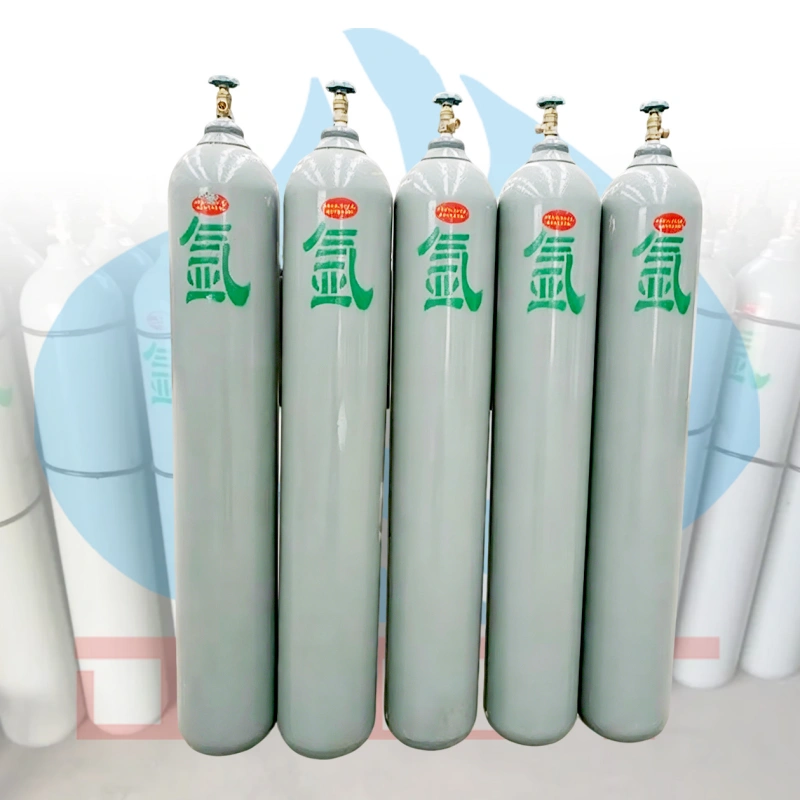
At the end of the day, proper storage isn’t just a safety issue for our customers—it’s about preserving the integrity of the specialty gases we supply. We don’t just deliver gas cylinders; we deliver a product that’s critical for life-saving medical testing, cutting-edge semiconductor manufacturing, and accurate environmental research. That’s why our team provides free storage consultations to every new customer, walking them through tailored protocols based on the specific gases they order, the size of their facility, and their industry requirements. If you’re looking for a reliable specialty gas supplier that doesn’t just drop off cylinders but supports you with safe, compliant storage guidelines, we’d welcome the chance to talk through your needs. Contact our team to discuss your storage requirements, order details, or any questions about specialty gas storage conditions.
Specialty Gases References:
- Compressed Gas Association. (2020). Guidelines for the Storage and Handling of Compressed Gases. CGA P-1.
- National Fire Protection Association. (2021). Standard for the Storage and Handling of Cryogenic Fluids. NFPA 55.
- International Organization for Standardization. (2019). Gas Cylinders – Storage of Gases in Cylinders. ISO 11621.
- Occupational Safety and Health Administration. (2022). Specialty Gas Safety Guidelines for Industrial and Laboratory Settings. OSHA 29 CFR 1910.
Xinxiang Jincheng Technology Co., Ltd.
As one of the most professional specialty gases manufacturers in China, we’re featured by quality products and good service. Please rest assured to buy customized specialty gases made in China here from our factory. For pricelist, contact us now.
Address: Industrial Park, Fengquan District, Xinxiang City, Henan Province, China
E-mail: cncd05@cryocontainer.com
WebSite: https://www.jinchengspecialgas.com/
