Hey there! I’m Mia, part of the team at a disposable venous blood collection needles supplier, and I get questions all the time: “Can I use those lab-grade blood needles for home blood collection?” I totally get why people ask—more and more folks are managing chronic conditions like diabetes, thyroid issues, or even doing at-home wellness tests these days, and lab trips can be a hassle. But let’s cut through the noise, talk science, and be real about what’s safe, what’s not, and why that matters when it comes to your health. Disposable Venous Blood Collection Needles
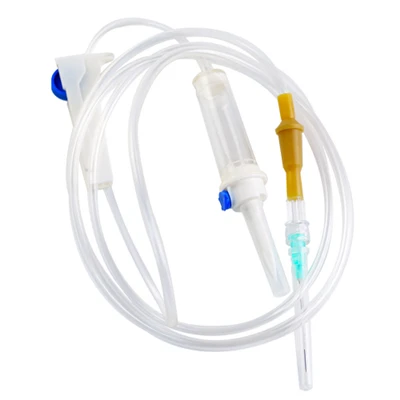
First, let’s start with the basics. Disposable venous blood collection needles (you know, the ones we make) are designed for a specific job: drawing venous blood—aka the blood in your veins, not the tiny capillary blood from your fingertips. They’re used in clinics, hospitals, and diagnostic centers because they need to get a steady, sufficient blood sample for tests like CBCs, lipid panels, or metabolic screens that need more than a drop or two. But I’ve had people DM me, comment on our socials, even call our office like, “Can’t I just grab one of these from my last doctor’s visit and use it at home?”
Let’s break down why these needles aren’t meant for home use, but also why some people might be mixing them up with other tools. First, what makes a venous blood needle different from, say, a lancet (the tiny prick tools for finger pricks)? Venous needles are longer—usually 1 to 1.5 inches—because veins are just under the skin, not right on the surface. They also have a thin, sharp bevel (the angled part that cuts) that’s super precise to pierce the vein without damaging it. But here’s the thing: they’re not built for someone without training to use safely at home.
Wait, but let’s not just say “they’re for pros” without backing that up. Let’s talk about sterility first. When you get a venous draw at a lab, the tech opens the needle right in front of you, uses a fresh tourniquet, swabs your arm with alcohol, and does everything step by step. But what if you have a leftover needle from a past doctor’s visit? Even if it’s still in its packaging, if the packaging got nicked or exposed to dust or moisture, sterility is gone. And using a non-sterile needle can lead to infections—nothing fancy, just stuff like redness at the site, or even something more serious if bacteria get into your bloodstream. That’s not worth it, right?
Then there’s the skill part. Drawing venous blood isn’t just sticking a needle in an arm. You have to find the right vein (some people have smaller veins, or veins that roll when you touch them), you have to anchor the vein correctly so it doesn’t move when you insert the needle, and you have to attach the blood collection tube (or the vacutainer system) right away so blood flows smoothly. I’ve heard stories of people struggling to get blood to flow, so they wiggle the needle around, which can nick the vein wall, cause bruising, or even lead to pain that lasts for days. A finger prick lancet is way simpler for home use because it’s designed for that tiny, quick stick to get a small sample—no need to hit a vein perfectly.
But hold on, I don’t want to make it sound like venous needles are totally useless for home use? Wait, no—wait, actually, let’s be clear: they’re not. But there’s a specific scenario where some people might use them, only under medical supervision. For example, if someone has a condition that requires frequent venous draws for things like INR testing (for blood thinners) and their doctor has trained them to do at-home venous draws. But that’s only after formal training—watching a YouTube video or reading a blog post like this isn’t enough. I’ve seen our team get questions from people who saw a TikTok of someone using a venous needle at home and thought, “That looks easy!” Spoiler: that person was a phlebotomist, not a random person in their kitchen.
Now, let’s talk about why some people might still want to use these at home. Maybe they need a larger sample than a finger prick can give. For example, some at-home wellness tests require more than a few drops, and a finger prick might not be enough. Or maybe they live in a rural area where getting to a lab is a 2-hour drive, and they need to monitor a condition regularly. But even in those cases, the solution isn’t grabbing a leftover venous needle from your medicine cabinet. There are actually at-home venous blood collection kits designed specifically for non-professionals, with smaller-gauge needles (less painful) and easier-to-use collection systems that don’t require a vacutainer set. Our company actually works with a few telehealth platforms to supply these kits, so people who need regular venous draws at home have access to safe, FDA-compliant tools.
Wait, let’s get into the science of needle gauge, because that’s a big part of this. Venous needles used in labs are usually 21 or 22 gauge. Gauge is the measurement of the needle’s diameter—lower number means thicker needle. A 21-gauge needle is thick enough to draw enough blood fast, but at home, if you’re not used to using it, it’s more likely to cause pain or bruising. Finger prick lancets are usually 30 gauge or higher—way thinner, so the stick is barely noticeable. That’s not a random difference; it’s because lab techs know how to use the thicker needle without causing harm, but untrained people might not.
Another point: needlestick injuries. I can’t tell you how many times our safety team has had to address concerns about this. If you’re using a venous needle at home, there’s no needle safety device (the little sheath that covers the needle after use) that you’d find in a clinical setting. Most disposable venous needles have a retractable sheath, but only when you use it with the vacutainer holder. If you’re trying to use it at home without that holder, you might not be able to retract the needle safely, leading to accidental sticks. That’s a huge risk—especially if you have family members or roommates who might not know to be careful with used needles. Accidental needlesticks can expose you or others to bloodborne pathogens like HIV or hepatitis, even if the needle looks “clean.”
But wait, let’s balance this—we don’t want to scare people unnecessarily. Let’s talk about when using a venous needle at home might be appropriate, but only under strict conditions. First, you must have explicit written permission and training from a healthcare provider. They need to show you exactly how to locate your vein, how to insert the needle, how to attach the collection device, and how to dispose of the needle safely. Second, you must use a brand-new, unopened needle every single time—no exceptions. Third, you need to have a way to safely dispose of used needles, like a FDA-cleared sharps container (not a plastic milk jug or a regular trash can—those can lead to accidental sticks for waste workers).
I had a customer reach out to me a few months ago whose mom has diabetes and needs frequent blood work. She tried using a venous needle from the doctor’s office at home and ended up with a huge bruise on her arm because she nicked the vein. She didn’t have training, and she didn’t know that her veins in her arms were thinner on that side. We connected her to a telehealth service that provides at-home venous collection kits with smaller, gentler needles, and now she uses those with her mom, and they haven’t had any issues since. That’s exactly why we’re here—we want people to have access to safe, effective tools, not just the same ones used in labs without the training.
Now, let’s bust a common myth: “Disposable means safe to use anywhere, right?” Wait, “disposable” just means the needle is designed to be used once and thrown away, not that it’s designed for every setting. Lab-grade disposable venous needles are tested for use in controlled medical environments, not in your living room, with no training. If a tool is labeled for professional use, that’s not a suggestion—it’s a safety warning. You wouldn’t take a surgical scalpel and try to do a procedure on yourself at home, right? Same logic here.
Another thing: test accuracy. If you’re drawing blood at home with a venous needle, not only is there a safety risk, but there’s a chance the test results might be off. If the needle isn’t inserted correctly, blood might hemolyze (break open red blood cells), which can skew results for things like potassium or hemoglobin levels. Lab techs are trained to avoid hemolysis, but untrained people might not know how to handle the sample correctly, leading to results that make you think your health is worse or better than it actually is. That’s a big deal—you don’t want to make medical decisions based on inaccurate test results.
So, putting this all together: can disposable venous blood collection needles be used for home blood collection? The short answer is: only if you’re trained to do so by a healthcare provider and using tools designed for home use, not just leftover lab needles. The longer answer is that for most people, no—they’re not safe or practical for home use, because they’re designed for professional settings, lack the safety features for untrained users, and pose risks of injury, infection, and inaccurate test results.
But that doesn’t mean you’re stuck driving to the lab every time you need blood work. There are now great at-home phlebotomy services, telehealth platforms that send trained nurses to your home, and specific at-home venous collection kits that are made for non-professionals. Our company actually supplies these kits to a few of these services—we make sure they have the right gauge needles, easy-to-use collection systems, and clear instructions so people can do venous draws at home safely, without the risk of using lab-grade tools on their own.
If you’re someone who’s been thinking about using a venous needle at home, my advice is this: first, talk to your doctor. Tell them what you’re considering, and ask about safe at-home options. Don’t grab old needles from your last doctor’s visit—those could be expired, have compromised sterility, or be the wrong gauge for at-home use. If you need regular blood work, look into at-home phlebotomy services or FDA-cleared at-home venous collection kits, not leftover lab supplies.
At the end of the day, our job as a disposable venous blood collection needle supplier is to make safe, high-quality tools for medical professionals. We don’t want people to take risks with their health by using these tools outside of the settings they’re designed for. But we also want people to have access to solutions that make managing their health easier—like the at-home kits we work on with partner telehealth companies.
If you’re interested in learning more about our supplies for at-home blood collection solutions (or bulk orders for clinics, telehealth services, etc.), feel free to reach out to our team. We’re here to answer questions, help you find the right tools for your needs, and make sure safety always comes first.
Disposable Sterile Insulin Syringe References:
- Centers for Disease Control and Prevention (CDC). Guidelines for Infection Prevention in Health Care Settings, 2021.
- American Red Cross. Phlebotomy Safety and Best Practices, 2022.
- U.S. Food and Drug Administration (FDA). Disposable Medical Devices for Home Use: Safety Considerations, 2023.
- World Health Organization (WHO). Guidelines for Safe Blood Collection and Injection Practices, 2020.
- National Institute of Diabetes and Digestive and Kidney Diseases (NIDDK). At-Home Blood Collection: Best Practices for Accuracy and Safety, 2022.
Shandong Zhushi Pharmaceutical Group Co., Ltd.
Shandong Zhushi Pharmaceutical Group Co., Ltd. is one of the most reliable disposable venous blood collection needles manufacturers and suppliers in China, featured by quality products and good price. Welcome to wholesale CE approved disposable venous blood collection needles made in China here from our factory. Contact us for customized service and pricelist.
Address: No 6th food and drug industry park economic and technological development zone, shan county 274300 Heze, Shandong PEOPLE’S REPUBLIC OF CHINA
E-mail: admin@cnzhushigroup.cn
WebSite: https://www.zhushimed.com/
