Producing flame retardant paper is a specialized process that involves a combination of chemistry, engineering, and quality control to ensure the paper meets strict safety standards. As a supplier of flame retardant paper, I’m excited to share with you the detailed steps and considerations in its production. Flame Retardant Paper
Understanding the Basics of Flame Retardant Paper
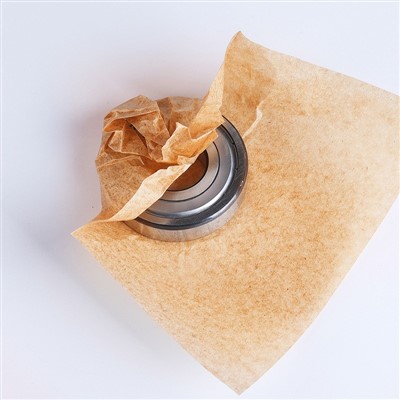
Flame retardant paper is designed to resist ignition and slow down the spread of fire. It is commonly used in various applications, such as packaging for flammable materials, construction materials for fire – rated partitions, and in the printing of safety manuals. The key to its performance lies in the addition of flame retardant chemicals to the paper pulp or through surface treatment.
Selecting the Right Raw Materials
The first step in producing flame retardant paper is to choose high – quality raw materials. The base paper is typically made from wood pulp, which can be either softwood or hardwood. Softwood pulp provides long fibers that give the paper strength, while hardwood pulp offers a smoother surface and better printability.
In addition to the pulp, the selection of flame retardant chemicals is crucial. There are several types of flame retardants available, including halogen – based, phosphorus – based, and inorganic flame retardants. Halogen – based flame retardants, such as brominated and chlorinated compounds, have been widely used in the past due to their high efficiency. However, concerns over their environmental impact and potential health risks have led to a shift towards more sustainable alternatives.
Phosphorus – based flame retardants are becoming increasingly popular. They work by forming a char layer on the surface of the paper when exposed to fire, which acts as a barrier to oxygen and heat. Inorganic flame retardants, such as aluminum hydroxide and magnesium hydroxide, are also commonly used. They release water vapor when heated, which cools the paper and dilutes the flammable gases.
Pulp Preparation
Once the raw materials are selected, the pulp preparation process begins. The wood chips are first cooked in a chemical solution to break down the lignin and separate the fibers. This process is known as pulping. There are two main types of pulping methods: chemical pulping and mechanical pulping.
Chemical pulping, such as the kraft process, uses strong chemicals to dissolve the lignin. This results in a high – strength pulp with good chemical resistance. Mechanical pulping, on the other hand, uses mechanical force to separate the fibers. It is a more energy – efficient process but produces a lower – strength pulp.
After pulping, the pulp is washed and screened to remove any impurities. Then, the flame retardant chemicals are added to the pulp. The amount of flame retardant added depends on the desired level of fire resistance. The pulp and the flame retardant are thoroughly mixed to ensure an even distribution of the chemicals throughout the fibers.
Paper Forming
The next step is paper forming. The pulp suspension is fed onto a moving wire mesh in a paper machine. As the water drains through the mesh, the fibers start to bond together to form a continuous sheet of paper. This process is called wet – forming.
During wet – forming, the paper web is further dewatered by pressing between rollers. This helps to increase the density and strength of the paper. After pressing, the paper web passes through a series of drying cylinders, where the remaining moisture is removed. The drying temperature and time are carefully controlled to ensure the paper does not shrink or warp.
Surface Treatment (Optional)
In some cases, surface treatment can be applied to enhance the flame retardant properties of the paper. This can be done by coating the paper with a flame retardant solution. The coating can be applied using various methods, such as blade coating, roll coating, or spray coating.
Surface treatment not only improves the fire resistance but also can enhance the paper’s surface properties, such as smoothness and printability. However, it adds an extra step to the production process and increases the cost.
Quality Control
Quality control is an essential part of the production process. At every stage, from raw material selection to the final product, strict quality checks are carried out. The paper is tested for its physical properties, such as strength, thickness, and basis weight.
In terms of fire resistance, the paper is tested according to international standards, such as ASTM E84 (for surface burning characteristics) and UL 94 (for flammability of plastic materials). These tests measure the paper’s ability to resist ignition, the rate of flame spread, and the amount of heat released.
Environmental Considerations
As a responsible supplier, we are also committed to minimizing the environmental impact of our production process. We strive to use sustainable raw materials and environmentally friendly flame retardants. For example, we source our wood pulp from sustainably managed forests, and we are constantly researching and developing new flame retardant formulations that are less harmful to the environment.
Conclusion
Producing high – quality flame retardant paper requires a comprehensive understanding of the raw materials, production processes, and quality control measures. By carefully selecting the right raw materials, using advanced production techniques, and implementing strict quality control, we can ensure that our flame retardant paper meets the highest safety standards and customer requirements.
Nutrient-based Degradable Mulch Film Paper If you are in need of flame retardant paper for your specific application, we would be more than happy to discuss your needs. Our team of experts can provide you with detailed information about our products and help you choose the most suitable flame retardant paper for your project. Contact us to start a procurement discussion and find the perfect solution for your fire – safety needs.
References
- ASTM International. "ASTM E84 – Standard Test Method for Surface Burning Characteristics of Building Materials."
- Underwriters Laboratories. "UL 94 – Standard for Tests for Flammability of Plastic Materials for Parts in Devices and Appliances."
- "Handbook of Flame Retardancy" by Horrocks, A. R. and Price, D.
Senzo New Material Group Co., Ltd.
As one of the most professional flame retardant paper manufacturers and suppliers in China, we also support customized service. Please rest assured to buy high quality flame retardant paper made in China here from our factory. For price consultation, contact us.
Address: Dongying Bonded Area, Shandong, P. R. China
E-mail: info@aonuochina.cn
WebSite: https://www.senzopaper.com/
