Hey there! I’m a supplier of electric furnaces, and today I wanna chat about how an induction furnace is constructed. It’s a pretty fascinating topic, especially if you’re in the business of metal melting and casting, or just have a general interest in industrial equipment. Electric Furnace
Let’s start with the basics. An induction furnace is a type of furnace that uses electromagnetic induction to heat and melt metal. It’s widely used in various industries, including foundries, steel mills, and jewelry making, because it offers a clean, efficient, and precise way to melt metals.
The Core Components
The heart of an induction furnace is the induction coil. This coil is typically made of copper tubing, which is known for its excellent electrical conductivity. The copper tubing is wound into a helical shape to create a strong magnetic field when an alternating current (AC) is passed through it. The magnetic field generated by the coil induces eddy currents in the metal charge inside the furnace, which in turn heat the metal due to the electrical resistance of the material.
The design of the induction coil is crucial for the efficiency and performance of the furnace. The number of turns in the coil, the diameter of the tubing, and the spacing between the turns all affect the strength and distribution of the magnetic field. Engineers carefully calculate these parameters based on the specific requirements of the furnace, such as the type of metal to be melted, the melting capacity, and the desired heating rate.
Surrounding the induction coil is the furnace lining. The lining is made of refractory materials that can withstand the high temperatures generated during the melting process. Different types of refractories are used depending on the type of metal being melted. For example, for melting steel, alumina-based refractories are commonly used because they have high melting points and good thermal stability. The lining not only protects the induction coil from the high temperatures but also helps to contain the molten metal.
The Power Supply
Another important part of an induction furnace is the power supply. The power supply is responsible for converting the incoming electrical energy into the appropriate form and frequency for the induction coil. Most modern induction furnaces use a variable frequency power supply, which allows for precise control of the heating process.
The power supply consists of several components, including a rectifier, an inverter, and a control system. The rectifier converts the incoming AC power into direct current (DC), which is then fed into the inverter. The inverter converts the DC power back into AC power at the desired frequency. The control system monitors and adjusts the power output of the inverter based on the temperature and other parameters of the furnace.
The frequency of the AC power is a critical factor in the operation of an induction furnace. Different frequencies are suitable for different types of metals and melting applications. For example, low-frequency induction furnaces (around 50 – 60 Hz) are often used for melting large volumes of ferrous metals, such as steel, because they can penetrate deep into the metal and provide uniform heating. High-frequency induction furnaces (in the range of several thousand Hz to several MHz) are more suitable for melting non-ferrous metals, such as aluminum and copper, and for applications where rapid heating and precise temperature control are required.
The Crucible and Charging System
The crucible is the container that holds the metal charge inside the furnace. It’s usually made of a refractory material that can withstand the high temperatures and chemical reactions of the molten metal. The shape and size of the crucible are designed to fit the induction coil and optimize the heating efficiency.
When it comes to charging the furnace, there are different methods depending on the type and size of the furnace. Smaller induction furnaces may use manual charging, where the operator uses a scoop or a ladle to add the metal charge to the crucible. Larger furnaces, on the other hand, often have automated charging systems. These systems can transport the metal charge from a storage area to the furnace quickly and accurately, reducing the labor intensity and improving the efficiency of the melting process.
Cooling System
An induction furnace generates a significant amount of heat during operation, not only from the melting metal but also from the electrical components. To prevent overheating and ensure the long – term reliability of the furnace, a cooling system is essential.
The cooling system typically consists of a water – cooling circuit. The water circulates through the induction coil, the power supply components, and other heat – generating parts of the furnace, absorbing the heat and carrying it away. The heated water is then cooled in a cooling tower or a heat exchanger before being recirculated back to the furnace.
Safety Features
As with any industrial equipment, safety is a top priority in the design and operation of an induction furnace. There are several safety features built into these furnaces to protect the operators and the equipment.
One of the most important safety features is the over – temperature protection system. This system monitors the temperature of the furnace components, such as the induction coil and the power supply, and automatically shuts down the furnace if the temperature exceeds a safe limit.
There are also protection mechanisms for electrical faults, such as short – circuits and overloads. These mechanisms detect abnormal electrical conditions and isolate the faulty parts to prevent further damage and potential hazards.
Why Choose Our Induction Furnaces
If you’re looking for a high – quality induction furnace for your business, look no further. As an experienced electric furnace supplier, we’ve been in the game for years, and we know what it takes to build reliable and efficient induction furnaces.
Our furnaces are built using the latest technology and the highest – quality materials. We pay close attention to every detail in the construction process, from the design of the induction coil to the installation of the cooling system, to ensure that our furnaces meet the strictest quality standards.
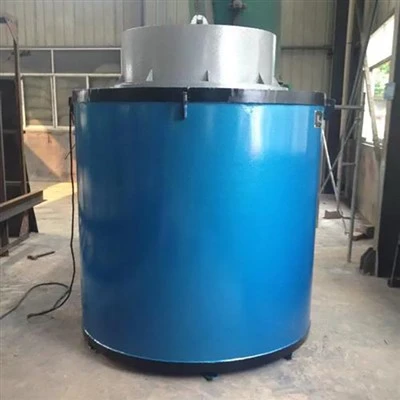
We offer a wide range of induction furnaces to meet the diverse needs of our customers. Whether you need a small furnace for a jewelry workshop or a large – scale furnace for a steel mill, we have the right solution for you. And our team of experts is always ready to provide you with technical support and advice to help you get the most out of your furnace.
Gas Furnace So, if you’re interested in purchasing an induction furnace, or just want to learn more about our products, don’t hesitate to reach out. We’re here to answer your questions and guide you through the purchasing process. Contact us today to start a discussion about how our induction furnaces can benefit your business.
References
- "Industrial Electric Furnaces" by Ernest C. Potter
- "Handbook of Induction Heating" by Avner E. Gorodnitsky, Yakov E. Semenov, and Vitaly I. Rudnev
Danyang Dingfeng Industrial Furnace Co., Ltd.
Danyang Dingfeng Industrial Furnace Co., Ltd. is one of the most experienced electric furnace manufacturers and suppliers in China, also supports customized service with low price. Please feel free to wholesale high quality electric furnace made in China here from our factory. For pricelist, contact us now.
Address: Lizhuang Economic Development Zone, Danyang City
E-mail: saleszk@dffurnace.com
WebSite: https://www.dffurnace.com/
