Hey folks, let’s cut to the chase—if you’ve been hanging around construction sites, you’ve probably seen those big, fluffy blocks of EPS (expanded polystyrene) insulation getting tossed into dumpsters right next to broken concrete and old lumber. For years, that’s been the norm, right? But here’s the thing: I run an EPS recycle system supply business, and I’m here to tell you that no, it’s not just possible—it’s actually way more doable than most construction pros think. Let’s break this down like we chat over a coffee, no boring jargon, just real talk about what works, what doesn’t, and why your job site’s EPS waste shouldn’t end up in a landfill. EPS Recycle System
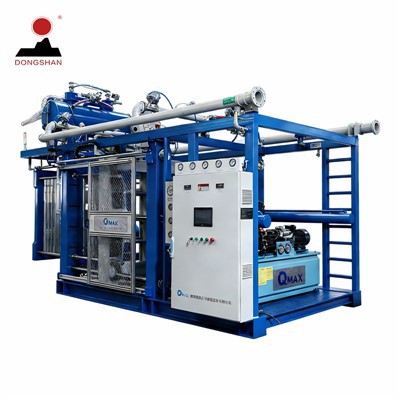
First, let’s get clear on what construction EPS we’re actually talking about. It’s not the tiny takeout cups or packing peanuts you recycle at the grocery store (though those can work too, but that’s a different beast). Construction EPS is usually those rigid, thick blocks used for wall insulation, foundation boards, roof underlayment, even lightweight fill for structural projects. It’s dense, it’s often covered in dust, paint, or adhesive from when it was installed, and it’s mixed with all kinds of other construction debris half the time. That’s the big headache—construction waste EPS isn’t clean, neat EPS; it’s messy, contaminated, and that’s where a lot of people go wrong when they try to recycle it.
Wait, let’s talk about why people used to write this off. A few years back, the only EPS recycling methods anyone knew were like, sort the clean stuff, smash it into little beads, melt it down, and mold it into new products. But construction EPS is rarely clean—there’s drywall dust, mortar, even leftover caulk on the edges. If you try to run that through an old, basic recycle line, you end up with a product that’s full of contaminants, which makes it useless for anything. Landfills seemed like the only option because EPS doesn’t biodegrade (it’s plastic, after all, takes like 500 years to break down, but it just breaks into microplastics that get into soil and water—yikes). But here’s where our EPS recycle systems step in—we designed them specifically for that construction mess, not the clean, consumer EPS most recyclers deal with.
Let me walk you through how our systems work in real life, like a job site would use ’em. First, you don’t have to sort the EPS by hand (thank goodness, because that’s a huge time sink for construction crews). The machine goes right to the dumpster or the waste bin on your site—you dump the mixed EPS and debris in, and it does two key things first: grinds it up into uniform little flakes, then washes ’em with a special, eco-friendly detergent that cuts through mortar, paint, and adhesive without damaging the EPS itself. That’s the big difference from old systems—most basic grinders just chew up the EPS and leave the gunk on it, so you can’t reuse it. Our wash step gets 95% of the contaminants out, which is a game-changer.
Then, after washing, we dry the flakes (no wet, moldy EPS here—we’ve got industrial dryers that get it to 0% moisture, perfect for the next step) and densify it. Wait, densify is a fancy word for squashing those tiny EPS flakes into super dense blocks that are 50x smaller than the original material. That’s not just for easy transport—landfills charge by volume, so if you’re hauling 10 cubic yards of loose EPS, that’s expensive. Densify it, and you’re hauling like 1/5 of that volume, which cuts your waste disposal costs by almost 80%. And when we’re done with that dense block, we send it to a processor who melts it down and makes new construction EPS products—even new insulation blocks, lightweight concrete additives, or even park bench materials. It’s a closed loop, basically, for construction EPS, which is exactly what the industry needs right now.
Now, let’s get real about the numbers, because I know you guys care about budgets. A typical mid-sized commercial construction site generates like 2-3 tons of EPS waste a month, right? If you throw that in a landfill, that’s like $50-$70 a ton in disposal fees, so that’s $100-$210 a month. With our EPS recycle system, you pay a one-time fee for the machine, but then you don’t pay any disposal fees—plus, you can even sell the densified EPS flakes or get a rebate from the recycling processor. I’ve seen small job sites save $15,000-$20,000 a year just on EPS waste costs. That’s money you can put back into materials or labor, which is huge for keeping projects on budget.
But wait, are there still kinks? Yeah, no system is perfect. The biggest one we run into is construction crews mixing non-EPS stuff in with the EPS—like Styrofoam cups, plastic wrap, even small bits of metal. Our system has a magnetic separator for metal and a screen that sorts out bigger plastic debris, but if someone dumps a whole roll of construction plastic wrap in there, it can jam the grinder. So the key is a little training—just tell the crew “no non-EPS junk in the EPS bin” and it runs smooth. Another thing: some older construction EPS has flame retardants, right? We test the output to make sure it meets industry safety standards, so you don’t have to worry about the recycled product failing code.
And let’s talk about the environmental side, because a lot of our customers care about their green certifications—LEED, BREEAM, all that stuff. Using recycled EPS counts toward point credits for those certifications, which can make your project more marketable. Plus, landfill diversion is huge—construction is one of the biggest producers of waste in the U.S., and EPS is like 2-3% of that waste stream right now. If we can shift even half of that to recycling, that’s millions of tons of plastic not sitting in landfills or ending up in oceans. I’ve had a few clients tell me their investors actually asked for EPS recycling plans before funding the project, so it’s not just good for the planet—it’s good for your bottom line and your reputation.
Wait, let’s throw in a real example, so this isn’t just sales talk. Last year, we installed a system for a residential development company in Texas—they were doing 100 single-family homes, each with like 50 lbs of EPS insulation waste. Before, they were paying $65 a ton to landfill it, which came out to like $12,000 for the whole development. Now, with our system, they’re diverting 98% of that EPS waste, cutting their disposal costs to almost zero, and they got a LEED silver certification for the project, which let them sell the homes for $5,000 more each. That’s a win-win—they saved money on waste, got more for the homes, and didn’t send hundreds of pounds of EPS to a landfill.
Is there any case where this doesn’t work? Let’s be honest: if your EPS is super contaminated with hazardous materials, like asbestos or lead paint, then no, that’s not going to work. But that’s rare for construction EPS—most of it is just insulation, no toxic stuff. If it’s tiny bits of EPS from cutting, that works too—our system can handle small, mixed waste, not just big blocks. Even EPS that’s been exposed to rain or snow (which happens a lot on job sites) works, as long as we dry it properly after the wash step.
Here’s the thing a lot of competitors won’t tell you: a lot of “recycling” claims for EPS are just taking clean, consumer EPS, not construction EPS. We built our business around solving the construction EPS problem, because no one else was doing it. Most recyclers won’t touch construction EPS because it’s messy, but we designed our systems to handle that mess. That’s why our customers keep coming back—they don’t have to sort, they don’t have to pay high disposal fees, and they don’t have to feel guilty about tossing that EPS in the trash.
Now, let’s get to the next step, because I know you’re wondering if this is right for your site. If you’re a construction manager, a waste hauler, or a development company dealing with EPS waste, we can walk you through sizing the right system for your job—whether you’re a small residential site or a big commercial job with 10,000 sq ft of insulation work. We’ll send someone out to your site, check how much EPS you generate, and put together a plan that fits your budget, no weird fine print.

Don’t let your construction EPS waste end up in a landfill—you’re throwing money away, and you’re missing out on a chance to cut costs, get green points, and reduce your environmental impact. If you’re ready to chat about how an EPS recycle system can work for your construction waste, reach out to us to connect and talk through your needs.
EPP Shape Molding Machine References:
- American Chemistry Council. (2022). EPS Recycling in Construction: Industry Trends and Best Practices.
- Construction Waste Reduction Alliance. (2023). Cost Savings from Construction EPS Waste Diversion.
- Polystyrene Packaging and Protection Association. (2021). Technical Guidelines for Recycling Contaminated Construction EPS.
- U.S. Green Building Council. (2022). LEED Credit Eligibility for Recycled Construction Materials.
Hangzhou Fuyang Dongshan Plastic Machinery Co., Ltd.
Hangzhou Fuyang Dongshan Plastic Machinery Co., Ltd. is one of the most professional EPS recycle system manufacturers and suppliers in China, featured by quality products and low price. Please feel free to wholesale advanced EPS recycle system made in China here and get quotation from our factory. Customized orders are welcome.
Address: 101 Guanting, Baiqian Villige, Luzhu Town, Fuyang District, Hangzhou City, Zhejiang Province, China
E-mail: xu@dong-shan.cn
WebSite: https://www.epseppmachinery.com/
