Medical dressings are essential tools in wound care, playing a crucial role in promoting healing and preventing infection. As a medical dressings supplier, I am often asked about the potential side – effects of using these products. In this blog, I will delve into the topic to provide a comprehensive understanding of the possible side – effects associated with medical dressings. Medical Dressings
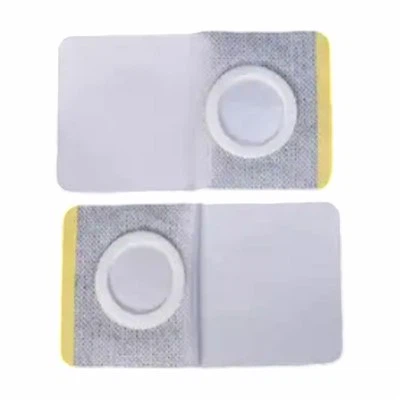
Types of Medical Dressings and Their Common Uses
Before discussing side – effects, it’s important to understand the different types of medical dressings and their functions. There are several types of medical dressings available in the market, each designed for specific wound types and stages of healing.
Gauze Dressings
Gauze dressings are one of the most commonly used types of medical dressings. They are made of woven or non – woven cotton or synthetic fibers. Gauze dressings are highly absorbent and are often used for wounds that produce a large amount of exudate. They can be used to cover and protect wounds, absorb blood and other fluids, and provide a barrier against external contaminants.
Hydrocolloid Dressings
Hydrocolloid dressings are made of a gel – forming material that adheres to the skin around the wound. They are designed to create a moist environment for wound healing, which can promote cell growth and reduce pain. Hydrocolloid dressings are suitable for partial – thickness wounds, such as pressure ulcers and superficial burns.
Foam Dressings
Foam dressings are made of a soft, porous material that can absorb a large amount of exudate. They are often used for moderate to heavily exuding wounds, such as leg ulcers and surgical wounds. Foam dressings provide cushioning and protection to the wound, and they can also help to maintain a moist wound environment.
Alginate Dressings
Alginate dressings are made from seaweed extracts. They are highly absorbent and can form a gel when in contact with wound exudate. Alginate dressings are suitable for heavily exuding wounds, such as diabetic foot ulcers and venous stasis ulcers. They can help to control bleeding and promote the formation of granulation tissue.
Potential Side – Effects of Using Medical Dressings
Allergic Reactions
One of the most common side – effects of using medical dressings is an allergic reaction. Some people may be allergic to the materials used in the dressings, such as latex, adhesives, or certain chemicals. Symptoms of an allergic reaction can include itching, redness, swelling, and a rash at the site of the dressing. In severe cases, an allergic reaction can cause difficulty breathing, dizziness, and even anaphylaxis.
For example, latex allergies are relatively common. Latex is used in some adhesive tapes and elastic bandages. When a person with a latex allergy comes into contact with these products, they may experience an allergic reaction. To minimize the risk of allergic reactions, it is important to choose hypoallergenic dressings and to test a small area of skin before applying the dressing to a larger area.
Skin Irritation
Medical dressings can also cause skin irritation, especially if they are left in place for too long or if they are not changed regularly. The adhesive on the dressing can cause the skin to become red, itchy, and sore. In addition, the moisture trapped under the dressing can lead to maceration of the skin, which can make the skin more vulnerable to infection.
For instance, if a hydrocolloid dressing is left on for an extended period, the skin under the dressing may become soft and white, a condition known as maceration. To prevent skin irritation, it is important to follow the manufacturer’s instructions for dressing changes and to use dressings that are appropriate for the type of wound and the condition of the skin.
Infection
Although medical dressings are designed to prevent infection, they can sometimes contribute to the development of infections if they are not used correctly. For example, if a dressing is not changed regularly, bacteria can grow on the dressing and in the wound. In addition, if the dressing is not applied properly, it may not provide an effective barrier against external contaminants.
For example, if a gauze dressing becomes saturated with exudate and is not changed in a timely manner, it can become a breeding ground for bacteria. To reduce the risk of infection, it is important to maintain proper wound hygiene, change dressings regularly, and use sterile techniques when applying and removing dressings.
Adhesion and Trauma
Some medical dressings can adhere too strongly to the wound, which can cause pain and trauma when the dressing is removed. This is especially true for dressings that are used on wounds with fragile or newly formed tissue. When the dressing is removed, it may pull off the newly formed tissue, delaying the healing process.
For example, if a dry gauze dressing is used on a wound that is starting to heal, it may stick to the wound and cause pain and bleeding when removed. To minimize the risk of adhesion and trauma, it is important to choose dressings that are designed to be non – adherent or to use a barrier cream or gel between the dressing and the wound.
Minimizing the Side – Effects of Medical Dressings
Patient Assessment
Before selecting a medical dressing, it is important to assess the patient’s condition, including their medical history, allergies, and the type and location of the wound. This will help to ensure that the most appropriate dressing is chosen and that the risk of side – effects is minimized.
For example, if a patient has a history of latex allergies, a latex – free dressing should be selected. If the wound is in a sensitive area, such as the face or the genitals, a dressing that is gentle on the skin should be chosen.
Proper Application and Removal
Proper application and removal of medical dressings are essential to minimize side – effects. When applying a dressing, it is important to follow the manufacturer’s instructions and to use sterile techniques. The dressing should be applied smoothly and evenly, without wrinkles or air bubbles.
When removing a dressing, it should be done slowly and gently to avoid causing pain or trauma to the wound. If the dressing is stuck to the wound, it may be necessary to moisten it with saline solution to make it easier to remove.
Regular Monitoring
Regular monitoring of the wound and the dressing is important to detect any signs of side – effects early. The wound should be inspected for signs of infection, such as redness, swelling, pain, and discharge. The dressing should also be checked for signs of wear and tear, and it should be changed if it becomes saturated or contaminated.
Conclusion
In conclusion, while medical dressings are an important part of wound care, they can have potential side – effects. Allergic reactions, skin irritation, infection, and adhesion and trauma are some of the common side – effects associated with the use of medical dressings. However, by carefully selecting the appropriate dressing, following proper application and removal techniques, and regularly monitoring the wound, the risk of these side – effects can be minimized.
Medical Wearable Solutions As a medical dressings supplier, I am committed to providing high – quality products and comprehensive support to healthcare professionals and patients. If you are interested in learning more about our medical dressings or have any questions about their use, please feel free to contact us for a procurement discussion. We look forward to working with you to meet your wound care needs.
References
- National Institute for Health and Care Excellence (NICE). (2019). Wound management: dressings.
- European Wound Management Association (EWMA). (2018). Guidelines for the management of chronic wounds.
- American Academy of Dermatology. (2020). Wound care: best practices.
Shenzhen Omori Biological Technology Co., Ltd.
We’re well-known as one of the leading medical dressings manufacturers and suppliers in China. We warmly welcome you to wholesale high quality medical dressings made in China here from our factory. If you have any enquiry about customized service, please feel free to email us.
Address: Floor4, No43, Langkou Industrial park, Dalang Street, Longhua District, Shenzhen City, Guangdong Province, China
E-mail: wya@omorimed.com
WebSite: https://www.omorimed.com/
