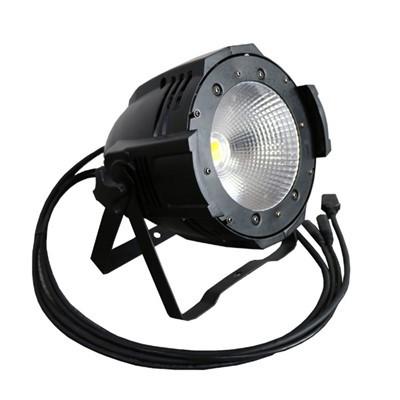
If you’ve ever stood at a concert, a trade show, or a festive event, chances are you’ve felt the electrifying pull of a strobe light cutting through the dark, turning ordinary moments into something vivid and memorable. For years, neon strobes were the go-to choice for creating that sharp, pulsating glow, but lately, LED strobe lights have taken center stage in everything from stage production and DJ setups to safety signage and holiday displays. As someone who’s spent the last decade supplying LED strobe lights to businesses across industries, I get asked all the time: what’s the real difference between these two technologies? It’s not just a matter of brightness or color—it’s about how they work, what they’re made of, and how they perform when you need them most. Today, I want to break down those differences in plain, honest terms, from the nitty-gritty science to the real-world benefits that make LED strobes a smarter pick for almost every use case. LED Strobe Light
First, let’s talk about how each type of strobe actually produces light, because that’s where the core of their difference lives. Neon strobes rely on a technology that’s been around for over a century: gas discharge lighting. A traditional neon strobe is a glass tube, usually filled with neon gas (though sometimes other noble gases like argon or krypton, depending on the color), with electrodes at either end. When you turn on the strobe, a high-voltage transformer sends a burst of electricity through the tube. This energy excites the gas molecules, making their electrons jump to a higher energy level. When those electrons drop back down, they release photons—light. The glass tube is often tinted or coated to get different colors; for example, pure neon gives a deep red glow, while argon mixed with mercury can produce blue or green light. The strobing effect itself comes from the transformer cycling on and off rapidly, switching the voltage high enough to ionize the gas, then dropping it so the gas stops glowing, then repeating that cycle over and over.
LED strobes, on the other hand, use solid-state light-emitting diodes. An LED is a tiny semiconductor chip, made of materials like gallium, arsenic, or nitrogen, that emits light when an electric current passes through it. The science here is called electroluminescence: when electrons move through the semiconductor, they release energy in the form of photons, and the color of the light depends on the exact material of the chip. No gas, no fragile glass tube—just a solid little chip. The strobing function in an LED strobe is even simpler: it’s controlled by a microchip circuit inside the light. Instead of waiting for a transformer to build up high voltage to excite gas, the microchip just switches the current to the LED on and off at the desired frequency, anywhere from a few flashes per minute to 20+ flashes per second, depending on the model.
That basic difference in how they make light leads to some huge real-world gaps in performance. Let’s start with energy efficiency, because that’s a big one for any user, whether you’re running a 10-light stage setup or a 50-light industrial safety system. Neon strobes are notoriously power-hungry. That high-voltage transformer they need? It draws a lot of electricity, even when the strobe is at its dimmest. A single neon strobe can use 20 to 50 watts of power, depending on the size, and if you have a whole stage full of them, that adds up fast—higher electricity bills, more strain on your power supply, and even higher costs if you’re running them on batteries for portable events.
LED strobes are a different story. Each LED uses just a fraction of that power: a typical LED strobe uses 1 to 10 watts, even for a bright, high-output model. That’s a 75% to 90% reduction in energy use, which translates to way lower operating costs over time. For portable setups, that means battery life that lasts 2 to 3 times longer than a neon strobe. I recently worked with a DJ client who used to run 8 neon strobes at his weekend gigs; switching to LED cut his power draw so much he could run the whole setup on a single power inverter from his van, no need for a separate generator. That’s the kind of practical win that makes people stop and reconsider neon.
Next, let’s talk about durability, because if you’ve ever broken a glass neon tube, you know how finicky they are. Neon strobes are made with thin, fragile glass tubes that can shatter if they’re bumped, dropped, or exposed to extreme temperatures. Even a small crack in the tube will cause the gas to leak, and the whole strobe is useless. The transformers in neon strobes are also heavy and sensitive—expose them to moisture, and they’ll short out in no time. That makes neon strobes a bad fit for outdoor use, industrial settings, or anywhere they might get jostled or exposed to the elements.
LED strobes, by contrast, are built like tanks. The semiconductor chips inside are solid-state, so there’s no fragile glass to break, no gas to leak. Most LED strobes have rugged, weather-resistant casings—IP65 or higher, meaning they can handle rain, dust, and even minor impacts. I’ve had clients use our LED strobes in snow-covered ski resorts for slope safety, in dusty construction sites, and at outdoor music festivals in 90-degree heat, and they’ve held up flawlessly. Even when an LED does fail, it’s almost never a total loss—most of the time, just one small chip burns out, not the whole light. Neon strobes, when they fail, usually need the entire tube or transformer replaced, which is more expensive and more work.
Color versatility is another area where LED strobes pull ahead. Neon strobes are limited in the colors they can produce, because they rely on gas and glass tinting. Pure neon is red, argon is blue, krypton is green, and if you want other colors, you have to add phosphor coatings to the glass, which can make the light less bright and less pure. Mixing colors in a neon strobe is basically impossible—you’d need separate tubes for each color, which doubles or triples the number of lights you need.
LED strobes let you pick from almost any color on the spectrum, just by changing the semiconductor material in the chip. And with RGB LED strobes, you can even mix red, green, and blue light on the same chip to make custom colors—purple, pink, amber, any shade you want—all from one light. That’s a game-changer for events: a wedding planner can match the strobe color to the bridesmaids’ dresses, a brand can use their exact logo color for a trade show booth, or a construction site can use different colors to mark different hazard zones. Neon can’t come close to that level of flexibility.
Wait, but let’s not write off neon entirely—there are still use cases where neon strobes make sense, right? They do have that nostalgic, warm glow that some people love for vintage-themed events, or for specific art installations. But even then, LED strobes can mimic that neon look now, with warm amber or deep red LED lights that look almost identical to traditional neon, without the downsides. The last thing I’ll mention about performance is brightness and consistency. Neon strobes can dim over time as the gas inside the tube gets used up, and their brightness can vary depending on how old the transformer is. LED strobes, though, have consistent brightness for tens of thousands of hours of use. A quality LED strobe will last 50,000 to 100,000 hours, while a neon strobe usually only lasts 10,000 to 20,000 hours before it needs a new tube. That’s 5 to 10 times the lifespan, which means fewer replacements, less downtime, and lower long-term costs.
I’ve seen this firsthand with a retail client who used neon strobes for their holiday window displays. They had to replace half their neon tubes every year, at a cost of over $1,500, plus the time their team spent climbing ladders to change them. Last year, they switched to our LED strobes, and so far, not a single one has needed replacing in 18 months. Their power bill for the display dropped by 70%, and the colors are bright and consistent, drawing way more foot traffic than the old neon ever did. That’s the kind of ROI that businesses care about, not just the initial sticker price.
Speaking of initial price, I know what some of you are thinking: LED strobes are more expensive upfront, right? It’s true—you’ll pay a bit more for a quality LED strobe than a neon one. But when you factor in lower electricity bills, fewer replacements, less maintenance, and longer lifespan, the total cost of ownership is way lower for LED. For example, a single neon strobe might cost $20, last 1 year, and cost $15 a year in electricity and replacements. A quality LED strobe costs $50, lasts 10 years, and costs $3 a year in electricity. Over 10 years, the neon will cost $20 + ($15 * 10) = $170, while the LED will cost $50 + ($3 * 10) = $80. That’s a $90 difference, and you don’t have to spend all that time replacing lights. For bulk orders, that adds up to thousands of dollars saved, not to mention the hassle saved.
At the end of the day, the choice between LED and neon strobes comes down to what you need the light for. If you’re looking for a temporary, low-budget solution for a one-time small event, or you’re set on that specific vintage neon glow, neon might work. But for most uses—concerts, DJ sets, trade shows, industrial safety, holiday displays, outdoor events—LED strobes are the clear winner. They’re more efficient, more durable, more versatile, longer-lasting, and cheaper to own over time.
If you’re in the market for strobe lights and want to learn more about which option is right for your specific needs, I’m here to help. I’ve worked with everything from small home event planners to large industrial operations, and I can walk you through the pros and cons of each, share case studies from similar businesses, and help you find the perfect LED strobe lights for your budget and use case. Don’t hesitate to reach out to our team to discuss your requirements and get a tailored recommendation.
LED COB Face Light References
- Osram Sylvania. (2022). Solid-State Lighting: LED Technology Basics. Lighting Research Center.
- Energy Star. (2021). Lighting Technology Comparison: LEDs vs. Gas Discharge Lights. U.S. Environmental Protection Agency.
- National Fire Protection Association. (2020). Safety Guidelines for Emergency Lighting in Industrial Settings. NFPA Publications.
- Lighting Design Consortium. (2023). Color Rendering and Versatility in Modern Strobe Lighting. LDC Technical Reports.
- Illuminating Engineering Society. (2021). Strobe Light Performance Standards for Entertainment and Industrial Applications. IES Standards.
Guangdong New Start Lighting Co., Ltd.
Guangdong New Start Lighting Co., Ltd. is one of the most professional led strobe light manufacturers and suppliers in China. Welcome to wholesale durable led strobe light in stock here and get quotation from our factory. All customized products are with high quality and competitive price.
Address: No.2, Hubin Road, Jiaoxin Village, Shimen Street, Baiyun District, Guangzhou, Guangdong, China
E-mail: newstartkate@gmail.com
WebSite: https://www.newstartlighting.com/
