Hey everyone, I don’t know about you, but growing up I just called that plastic bottle of water I grabbed from the gas station “water”—turns out, I was totally missing a whole label game. As someone who’s been in the natural mineral water game for like 8 years, I still get asked all the time: “Wait, is natural mineral water the same as mineral water?” And honestly? It’s a way bigger difference than you’d think. Most people mix these two up so bad, even some grocery store workers don’t know the gap. Let me break this down, no fancy science jargon, just straight-up stuff I’ve learned testing our own springs and working with regulatory folks. Natural Mineral Water
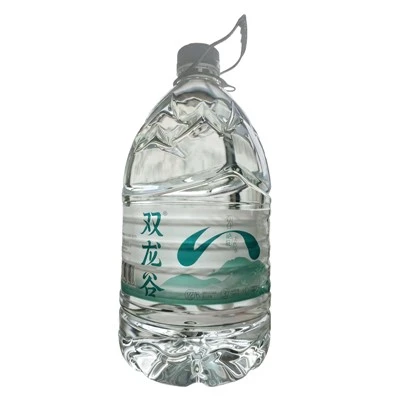
First, let’s talk about how even the basic definitions aren’t the same. When I say “mineral water,” I’m not talking about the fancy sparkling kind you drink at a party, I’m talking about the regulatory label. I deal with the FDA’s rules every single day, so I know this: generic mineral water (the kind you’ll see labeled just “mineral water” sometimes) can come from pretty much anywhere. It might be groundwater tapped from a well, or even water that’s been treated to add minerals later. The kicker? Those minerals don’t have to come from the original source. Like, some brands take purified tap water (yeah, you read that right) and dump in magnesium or calcium to hit the “mineral” requirement. That’s not how we do things at all.
Natural mineral water, though? Total different ballgame. The FDA says it has to come from an underground aquifer that’s protected from surface contamination—no mixing with rain that runs off a parking lot or field with pesticides. The minerals? They’re naturally occurring there, so you can’t add or take any away. We test our source every single month (yep, even in the middle of winter when the snow’s thick) to make sure that mineral content doesn’t change. Last year we had a weird cold snap that shifted the aquifer a tiny bit, and we had to adjust our production just a hair—no one even noticed, but that’s the stuff no generic mineral water brand does consistently.
Wait, let’s get specific about minerals, because that’s the part that actually matters for your body. Generic mineral water might meet a minimum “total dissolved solids” (TDS) count, which is just a fancy way of saying how much mineral stuff is in there. The FDA says generic mineral water needs at least 250 mg/L TDS, that’s it. But natural mineral water? The rules are way stricter—TDS has to stay between 500 and 1500 mg/L for most of our sources, and those minerals are the good kind: calcium, magnesium, potassium, even trace bits of things like silica that help with your hair and nails. We do a test every single week just to confirm the mineral levels match what we logged when we first dug the well. I’ve had a competitor hit me up once saying their “natural mineral water” had higher TDS, but when I looked closer they’d added salt to hit that number. That’s not natural, and it shows.
Then there’s the contamination side, which is huge for businesses—especially if you’re a café, gym, or office buying bulk water. Generic mineral water often skips the strict source testing because it doesn’t have to. Our natural mineral water source is 120 feet underground in a protected aquifer, so we only filter it once, super gently, to get rid of any tiny sediment. No reverse osmosis, no adding chemicals. Generic mineral water might use more intense processing that strips out some of the natural stuff, or even test for things like microplastics more often (I won’t name names, but I’ve seen test results from big brands that had higher microplastic counts than tap water in some cities). Last quarter we had an independent lab test our water, and they found zero microplastics—something we brag about because that’s the quality you want when you’re serving customers.
I know a lot of people think “it’s all just water” at the end of the day, but when you’re buying for your business, that’s a mistake. Let’s say you’re a local coffee shop—your latte tastes way better if you’re using water with consistent mineral levels, right? If you use generic mineral water that has random minerals added, your espresso could be too bitter or too flat. We work with a bunch of coffee roasters around the area, and they swear by our natural mineral water because it doesn’t change their brew every batch. Same with gyms—members notice the difference when their post-workout water tastes clean, not like something that’s been treated in a factory. Generic mineral water’s inconsistent source means some batches taste different, and no one wants that.
Wait, let’s talk about the label stuff too, because this is how brands trick people. The FDA doesn’t require the “natural” part to be on the label, but when a brand says “natural mineral water” that’s a whole extra set of rules. But so many brands will slap “natural” on the front of the bottle just to look better, even if their water is treated. A few months ago I saw a brand at a trade show calling their water “natural mineral water” but their source was a municipal well, not a protected aquifer. That’s false advertising, and it’s frustrating because it makes real natural mineral water harder to trust. At our company, we print our aquifer’s location on every bulk water label for business customers—no secrets, no fine print.
Another big one: sustainability. Wait, I know sustainability isn’t exactly the first thing people think about when talking about water labels, but it’s a huge part of our business. Generic mineral water often sources from wells that aren’t protected, so they can run dry in droughts. Our natural mineral water aquifer is monitored by the state, so we only pump as much as the aquifer replenishes—we’ve had the same source for 10 years, and it hasn’t dropped a foot. A competitor I know had to shut down their production for 2 months last year because their well ran dry during the summer heatwave. That’s not a risk you want if you’re relying on a steady supply for your business.
Let me get real for a second: I started this company because I got sick of drinking water that tasted like plastic or had that weird aftertaste from treated water. My grandpa used to own a spring in the mountains, and he taught me that good water doesn’t need added stuff. When we test our water, we taste it (don’t judge, it’s part of the job) and it’s always the same crisp, clean taste—no surprises. Generic mineral water might taste fine, but it changes depending on where they sourced it that month. Natural mineral water is consistent, and that’s non-negotiable for anyone buying in bulk.
I get why this is confusing. The labels are vague, the regulations are a lot to keep track of, and most brands don’t bother explaining the difference. But if you’re a business owner or a buyer looking for reliable, quality water, the line between natural mineral water and generic mineral water matters. It matters for your product (if you’re using it in food or drinks), it matters for your customers, and it matters for the long-term sustainability of your supply.
If you’re tired of inconsistent bulk water, or you want to switch from generic mineral water to something that’s actually natural, I’d love to chat. We work with cafes, gyms, offices, and even local restaurants, and we can tailor bulk orders to fit your needs—whether that’s delivery once a week, or specific packaging for your brand. No pressure, just real talk about good water.
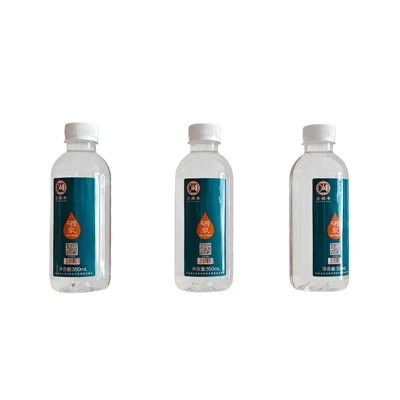
So next time you grab a bottle of water, don’t just glance at the price—check the label. And if you’re buying for your business, ask questions about where the water comes from, how it’s processed, and if the minerals are natural. That’s the stuff that makes the difference between water that’s just water, and water that actually adds value to what you’re doing.
Natural Mineral Water References:
- U.S. Food and Drug Administration. (2023). Standards of Identity for Bottled Water. 21 CFR Part 165.
- International Bottled Water Association. (2022). Bottled Water Fact Sheet: Natural Mineral Water vs. Other Bottled Waters.
- World Health Organization. (2021). Guidelines for Drinking-water Quality, 4th ed. Addendum: Mineral Content and Health.
- Environmental Working Group. (2023). Bottled Water Contamination Report: Microplastics and Other Impurities.
Anhui Kexun Environmental Engineering Technology Co., Ltd.
As one of the most professional natural mineral water manufacturers and suppliers in China, we’re featured by quality products and good service. Welcome to wholesale bulk natural mineral water in stock here and get pricelist from our factory. We also accept customized orders.
Address: Room 104, Building 1, Yijing Apartment, No.145 Jieshou Road, Luyang District, Hefei City, Anhui Province, P.R.China
E-mail: info@ahkexun.com
WebSite: https://www.xiqueshanwater.com/
